Why Is My Dog Acting Weird? 9 Reasons Not to Ignore Strange Behavior
Our blogs are well-researched and medically reviewed under editorial team. The information is sourced from trusted and accurate sites.
Why Is My Dog Acting Weird?

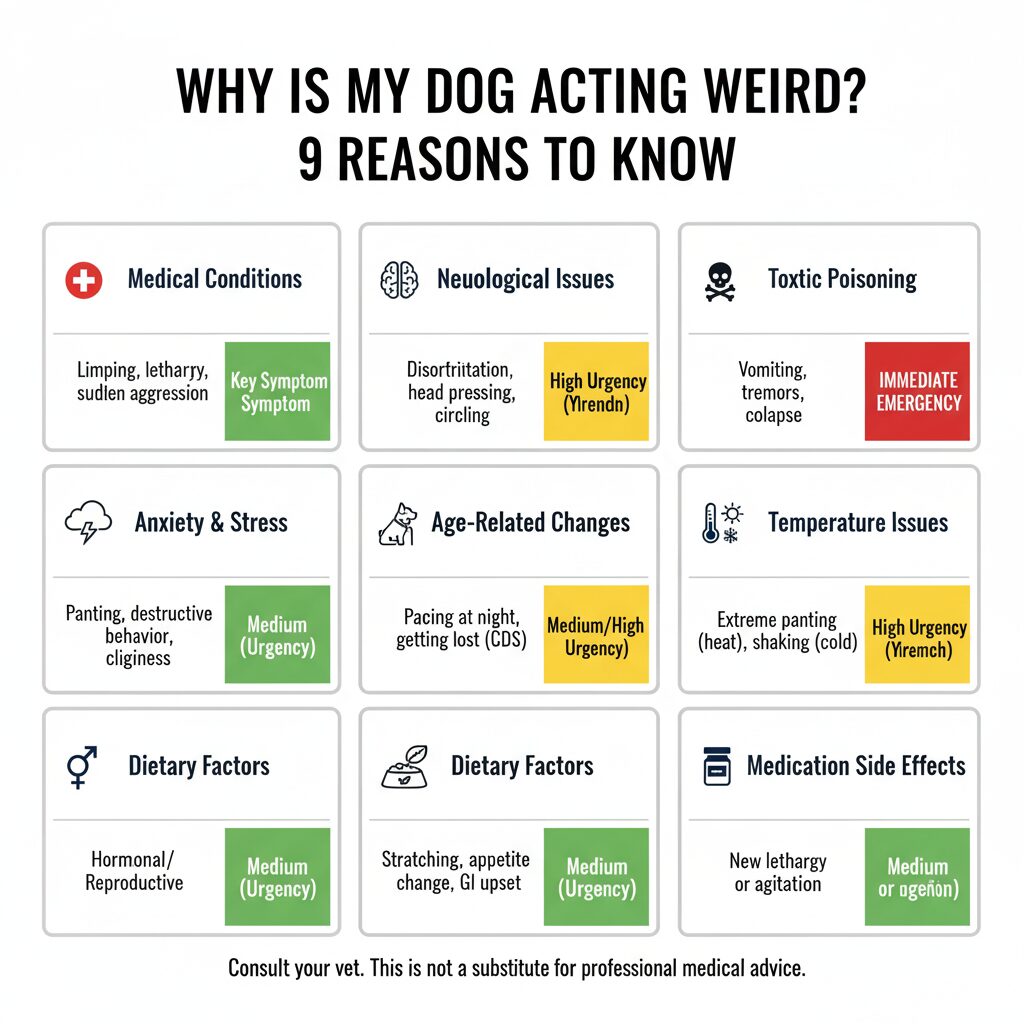
A dog acting weird is often the first sign of distress. Before reading the full guide, use this checklist for a quick overview of the 9 most critical reasons for sudden behavioral changes:
| Reason | Key Symptom to Watch For | Urgency Level |
| 1. Medical Conditions | Limping, excessive licking, sudden aggression, lethargy | High |
| 2. Neurological Issues | Disorientation, head pressing, circling, “drunk” walking | EMERGENCY |
| 3. Toxic Poisoning | Vomiting, tremors, collapse, excessive drooling | IMMEDIATE EMERGENCY |
| 4. Anxiety & Stress | Excessive panting, destructive behavior, unusual clinginess | Medium |
| 5. Age-Related Changes | Pacing at night, getting “lost” in familiar rooms (CDS) | Medium/High |
| 6. Temperature Issues | Extreme panting (overheating) or uncontrollable shaking (cold) | High |
| 7. Hormonal/Reproductive | Restlessness, frequent urination, moodiness (unspayed/unneutered) | Medium |
| 8. Dietary Factors | Constant scratching/licking, significant appetite change | Medium |
| 9. Medication Side Effects | New lethargy or agitation following a new prescription | Medium |
The Complete Guide to Your Dog’s Strange Behavior
You come home to find your usually playful pup hiding under the bed, refusing to greet you at the door. Or perhaps your energetic dog, who lives for walks, now seems sluggish and disoriented.
These moments can be confusing and worrying for any pet parent. When your dog starts acting weird, it’s easy to dismiss it as a quirky phase, but these behavioral shifts are often your dog’s primary way of telling you something is wrong.
Unusual behaviors are more common than most pet owners realize, affecting dogs of all breeds and ages. While some odd actions might seem harmless, they can signal serious underlying health or psychological issues that require attention.
Your dog can’t tell you in words if they’re in pain, feeling anxious, or suffering from an illness, so they communicate through changes in their daily habits and demeanor.
This comprehensive guide will walk you through nine key reasons your dog might be acting strange. We’ll cover everything from hidden medical conditions and neurological problems to environmental stressors and dietary issues.
Understanding these potential causes empowers you to provide better care and helps you recognize when veterinary intervention is necessary. By learning to read these subtle cues, you can ensure your furry friend gets the help they need, right when they need it.
1. Medical Conditions That Make Dogs Act Strange
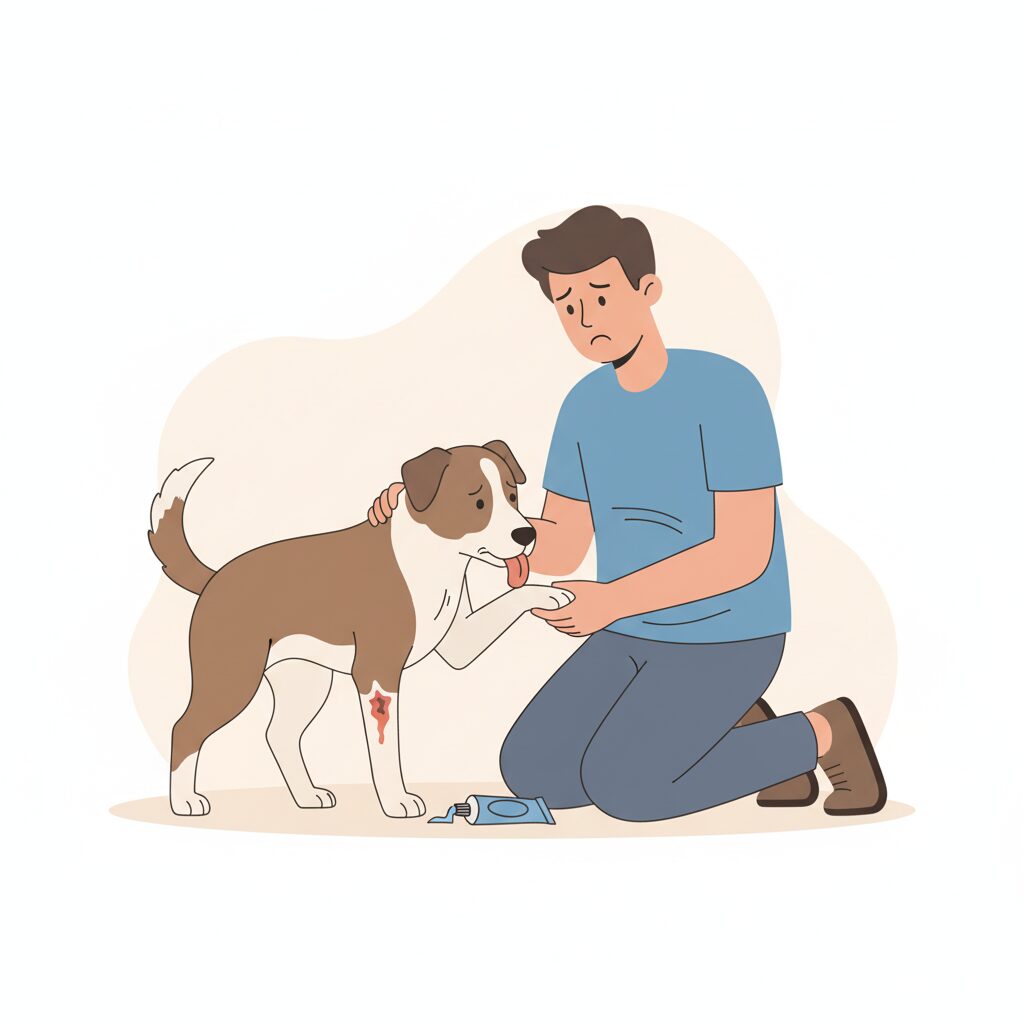
One of the most common reasons for a sudden change in your dog’s behavior is an underlying medical issue. Dogs are masters at hiding pain, a survival instinct inherited from their ancestors. This means you need to be a detective to spot the subtle signs that your dog is acting weird.
- Hypoglycemia (Low Blood Sugar): Particularly common in small breed dogs and puppies, low blood sugar can cause sudden weakness, confusion, shaking, and even seizures. Your dog might seem disoriented or unusually lethargic.
- Pain or Injury: A dog in pain might become withdrawn, aggressive when touched, or restless. You might notice them limping, repeatedly licking a specific spot, or being reluctant to jump or use stairs. An expert tip is to recognize breed-specific pain signals; for example, a Dachshund with back pain may arch its back, while a Labrador with hip dysplasia might struggle to stand up.
- Infections: Common infections can significantly alter your dog’s behavior. An ear infection can cause head shaking, tilting, and irritability. A urinary tract infection (UTI) might lead to frequent urination accidents, whining, and restlessness.
- Gastrointestinal Issues: Digestive problems like nausea, gas, or an upset stomach can make a dog act weird. They might pant excessively, pace around, adopt a “prayer” position (front legs down, rear end up) to relieve abdominal pressure, or lose their appetite.
2. Neurological Issues and Brain-Related Problems
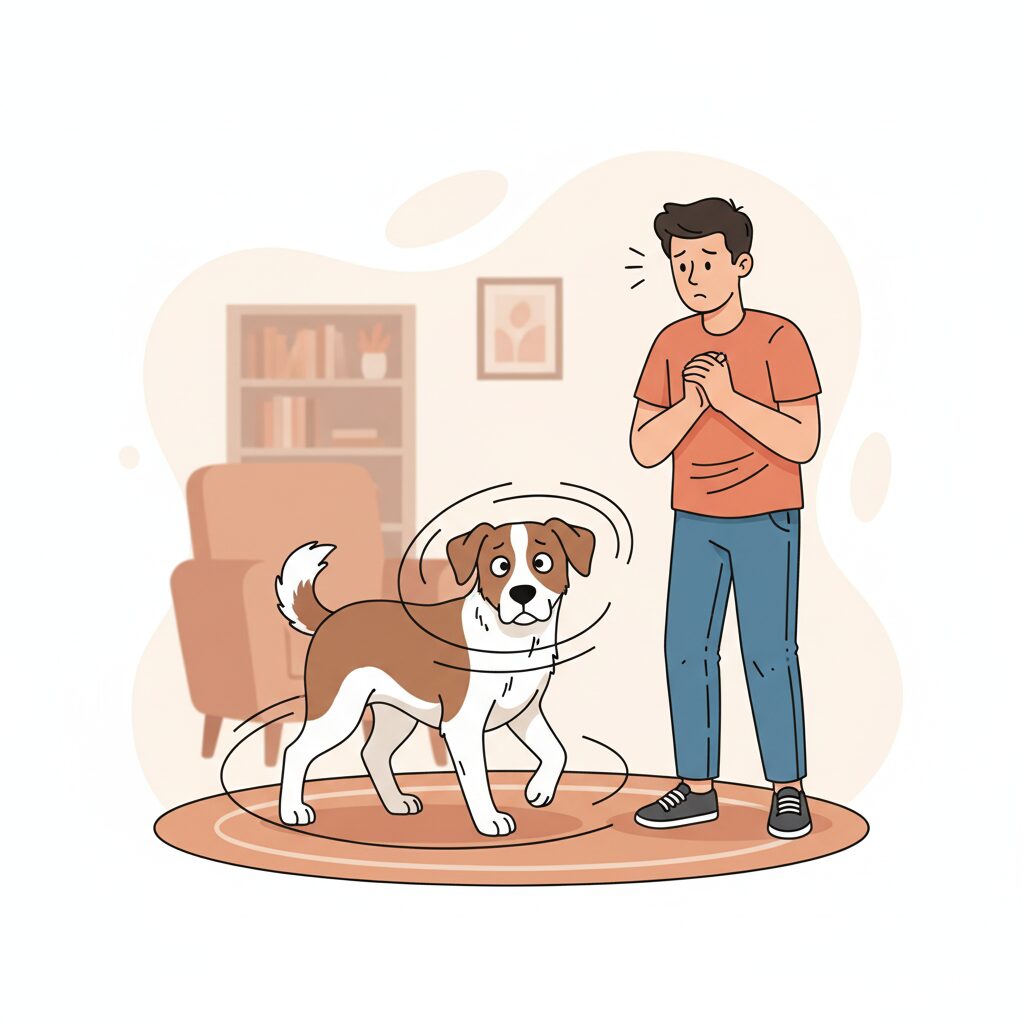
Changes in the brain can lead to some of the most alarming behavioral shifts. These issues can affect a dog’s awareness, coordination, and overall personality, causing them to seem like a different animal suddenly.
- Cognitive Dysfunction Syndrome (CDS): Often compared to Alzheimer’s in humans, CDS affects senior dogs. Symptoms include disorientation (getting lost in familiar places), changes in sleep-wake cycles (pacing at night), house-soiling, and a decreased interest in interacting with family.
- Seizure Disorders: Seizures aren’t always the dramatic convulsions you might imagine. Before a seizure (pre-ictal phase), a dog might act clingy, nervous, or disoriented. After a seizure (post-ictal phase), they can be temporarily blind, wobbly, and confused. These pre- and post-seizure behaviors can be misinterpreted as just “weird dog behavior.”
- Brain Tumors: A growth in the brain can cause a wide range of behavioral changes, from increased aggression and compulsive behaviors (like circling or head pressing) to seizures and a general loss of learned behaviors.
- Vestibular Disease: This condition affects the inner ear and brain, disrupting a dog’s sense of balance. A dog with vestibular disease might suddenly start walking in circles, have a pronounced head tilt, or appear “drunk” and wobbly. While often temporary, it’s frightening for both the dog and owner.
3. Toxic Poisoning and Environmental Hazards
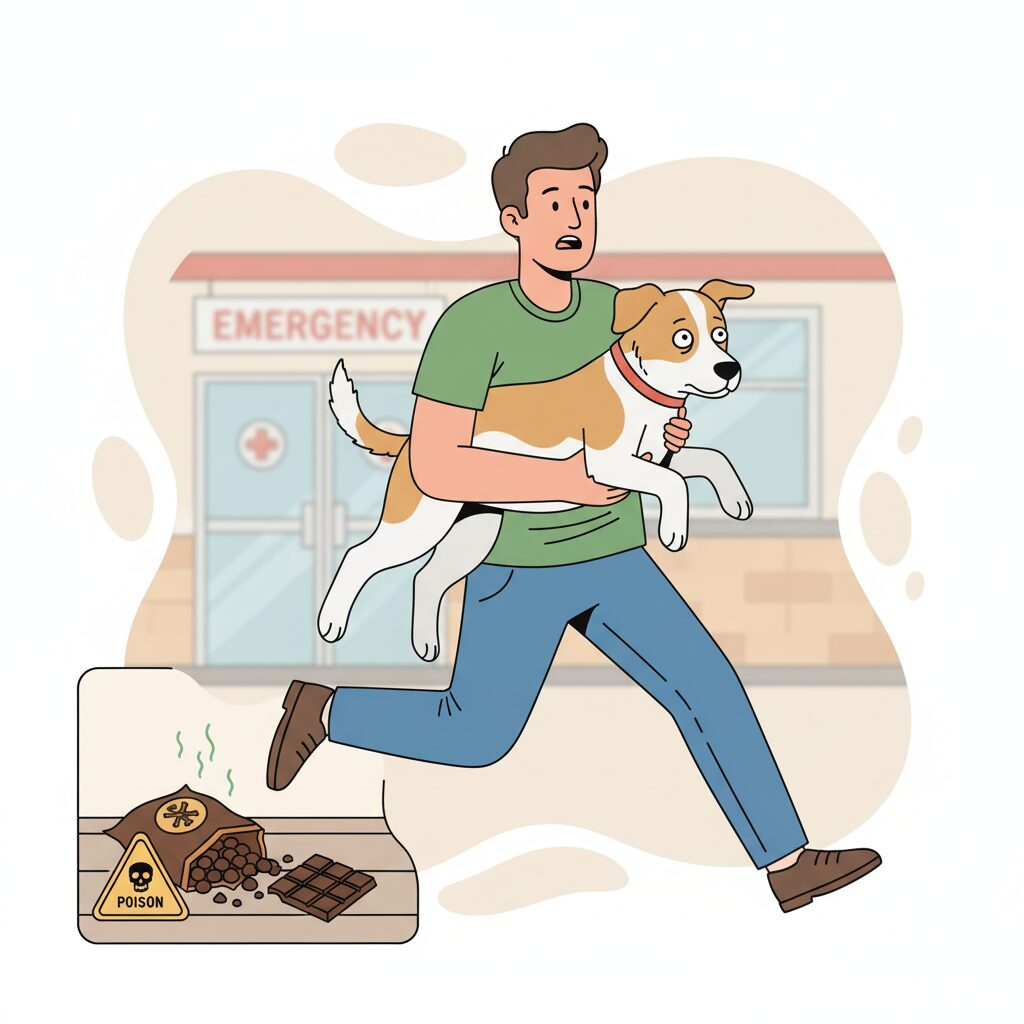
A dog acting funny or strange could have ingested something toxic. Many common household items are poisonous to dogs, and the symptoms can appear suddenly.
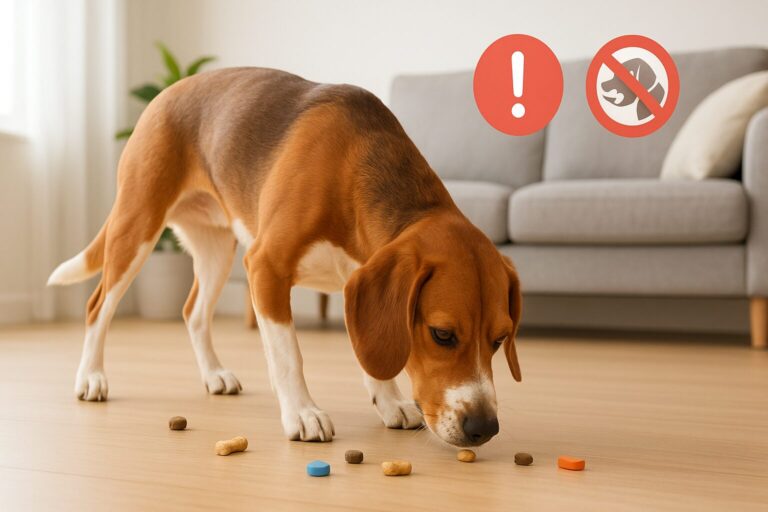
- Common Household Toxins: Chocolate (especially dark), xylitol (a sugar substitute), certain plants (like lilies and sago palms), and cleaning chemicals can cause severe reactions. Behavioral effects range from hyperactivity and vomiting to tremors and seizures.
- Medication Reactions: Both prescribed medications and human drugs accidentally ingested (like ibuprofen or antidepressants) can cause weird behaviors. Your dog might become lethargic, agitated, or disoriented.
- Seasonal Toxins: Watch out for antifreeze in the winter (it has a sweet taste), fertilizers and pesticides in the spring, and holiday-specific dangers like poinsettias or tinsel.
- Signs of Poisoning: Emergency symptoms include vomiting, diarrhea, tremors, disorientation, drooling, and collapse. If you suspect poisoning, it’s a medical emergency.
Emergency Action: If you think your dog has been poisoned, contact your veterinarian or the ASPCA Animal Poison Control Center (888-426-4435) immediately. Have the product packaging handy if possible.
4. Anxiety, Stress, and Psychological Factors
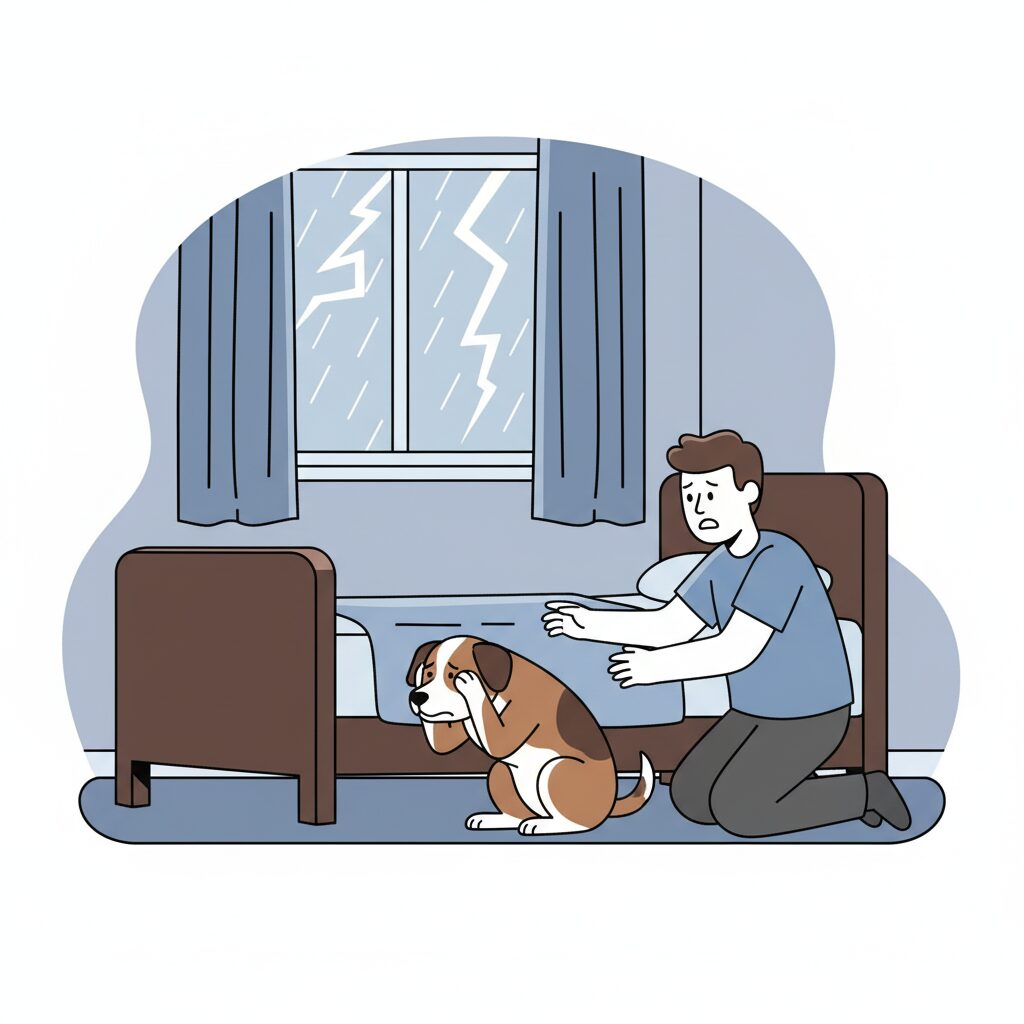
As Harlingen veterinary clinic explained dogs can have stress. Just like humans, dogs can suffer from anxiety and stress, which profoundly impacts their behavior. This is a very common reason for a sudden shift in how a dog is acting weird.
- Separation Anxiety: This is more than just a little whining when you leave. Dogs with separation anxiety may engage in destructive behavior, bark or howl excessively, or try to escape. When you’re home, they might be extremely clingy, following you from room to room.
- Environmental Stressors: Loud noises from thunderstorms, fireworks, or construction can trigger intense fear. A new home, a new baby, or even rearranging the furniture can be stressful for a sensitive dog, causing them to hide or act out.
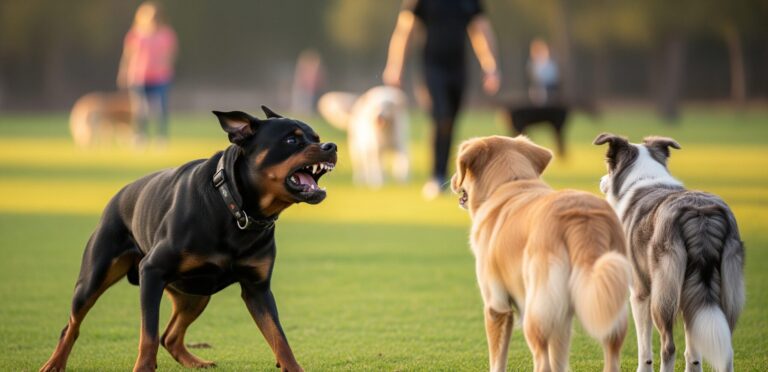
- Social Anxiety: Some dogs are fearful around new people or other animals. This can manifest as hiding, trembling, or even fear-based aggression like growling or snapping.
- Routine Changes: Dogs thrive on routine. A change in their feeding schedule, walk times, or a family member’s work schedule can cause stress and lead to unusual behavior.
Expert Insight: Different breeds have different anxiety triggers. For example, herding breeds like Border Collies may be more sensitive to noise and motion, while companion breeds like Cavalier King Charles Spaniels may be more prone to separation anxiety.
5. Age-Related Behavioral Changes
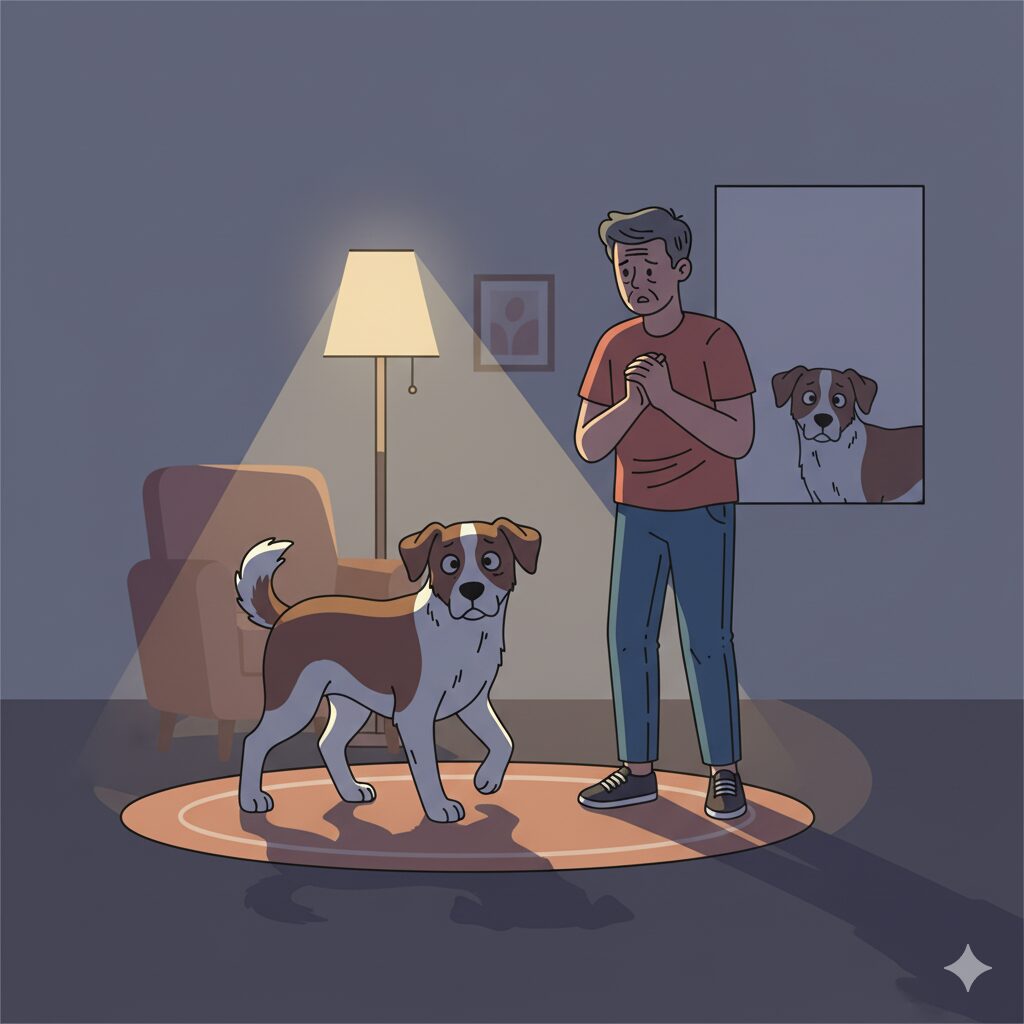
As dogs get older, their bodies and minds change. It’s important not to dismiss weird dog behavior in senior pets as just “getting old.”
- Pain from Arthritis: Chronic pain from arthritis is common in senior dogs. This might make them grumpy, reluctant to move, or less interested in play. They may have difficulty finding a comfortable position to rest.
- Cognitive Decline (CDS): As mentioned earlier, CDS is a significant cause of behavioral changes. Increased vocalization, especially at night, confusion, and staring blankly at walls are common signs.
- Sensory Changes: Gradual hearing or vision loss can make a dog more easily startled, anxious in new environments, or less responsive to commands.
- Medication Side Effects: Senior dogs are often on medications for various conditions, and these can have side effects that alter their personality or energy levels.
Care Tip: Age-appropriate exercise, like gentle walks and swimming, along with mental stimulation from puzzle toys, can help keep senior dogs happy and engaged.
6. Temperature-Related Issues
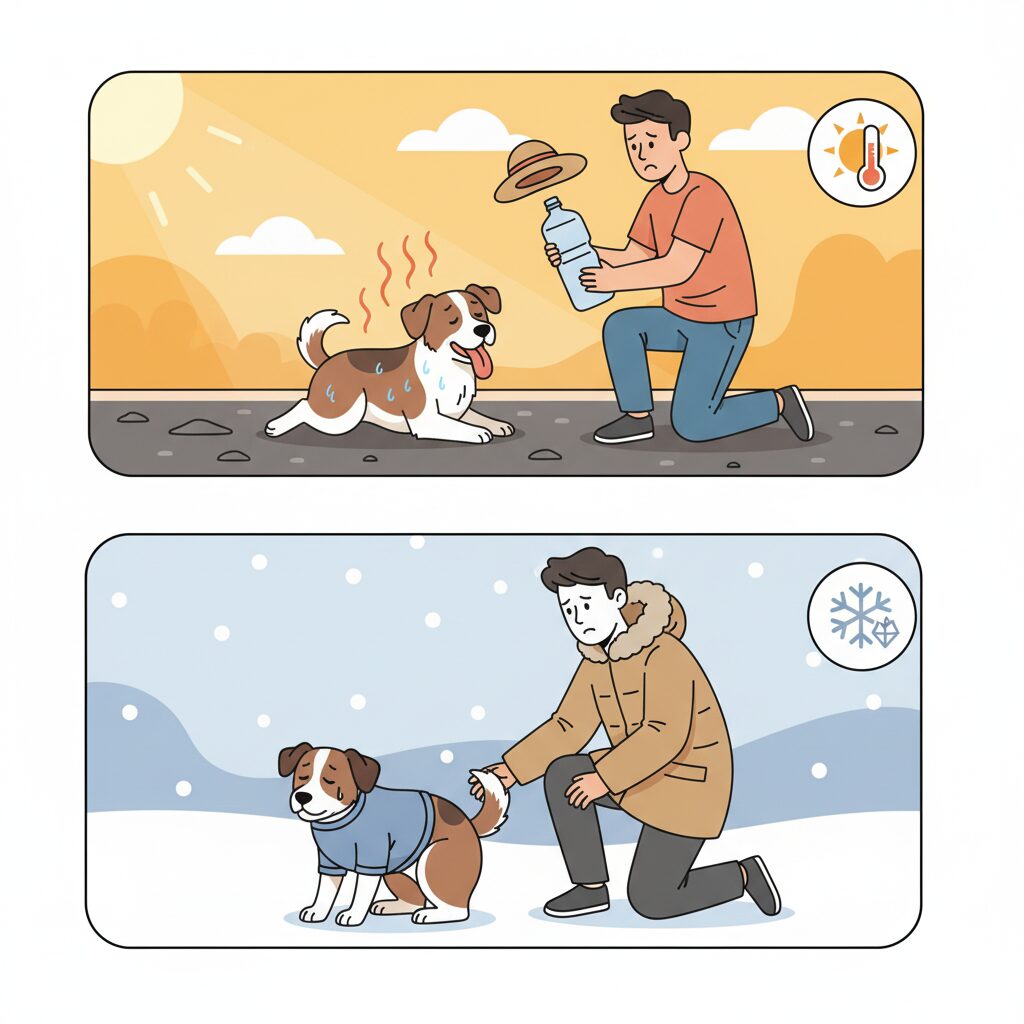
Dogs can’t regulate their body temperature as efficiently as humans, making them susceptible to overheating or getting too cold, which manifests as strange actions.
- Overheating (Hyperthermia): On hot days, a dog might pant excessively, seem restless, and constantly seek cool surfaces like tile floors. Brachycephalic (flat-faced) breeds like Pugs and Bulldogs are especially at risk.
- Hypothermia: In cold weather, a dog might start shaking uncontrollably, become lethargic, and curl up to conserve heat. Thin-skinned breeds like Greyhounds and small dogs are more vulnerable.
- Seasonal Affective Changes: Some studies suggest that the shorter days of winter can affect a dog’s mood, potentially leading to lethargy or changes in sleep patterns, similar to Seasonal Affective Disorder (SAD) in humans.
Safety First: Always provide access to shade and fresh water in the heat, and use coats or sweaters for vulnerable dogs in the cold.
7. Hormonal and Reproductive Issues
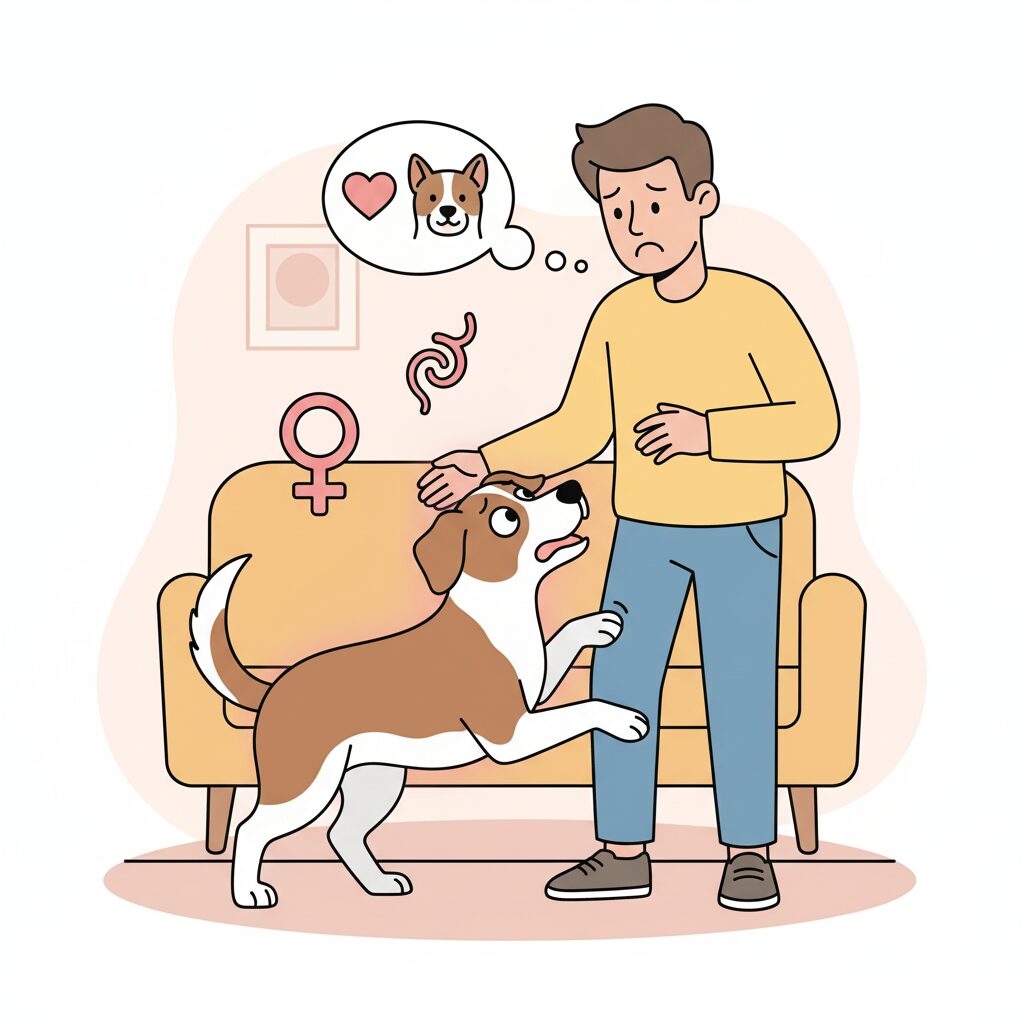
Hormonal fluctuations can cause significant behavioral shifts, especially in dogs that are not spayed or neutered. This is a key consideration when your dog is acting weird.
- Heat Cycles: An unspayed female in heat may become more anxious, vocal, or clingy. She might also try to escape to find a mate.
- False Pregnancy: After a heat cycle, some females experience a “phantom” pregnancy, where they exhibit nesting behaviors, mother toys, and may even produce milk. This can be accompanied by moodiness.
- Thyroid Disorders: Hypothyroidism (an underactive thyroid) is common in dogs and can cause lethargy, weight gain, and skin issues. Hyperthyroidism (an overactive thyroid) is rarer but can cause hyperactivity and restlessness.
- Diabetes: A diabetic dog might start drinking and urinating excessively. The fluctuations in blood sugar can also cause lethargy or irritability.
8. Dietary and Nutritional Factors
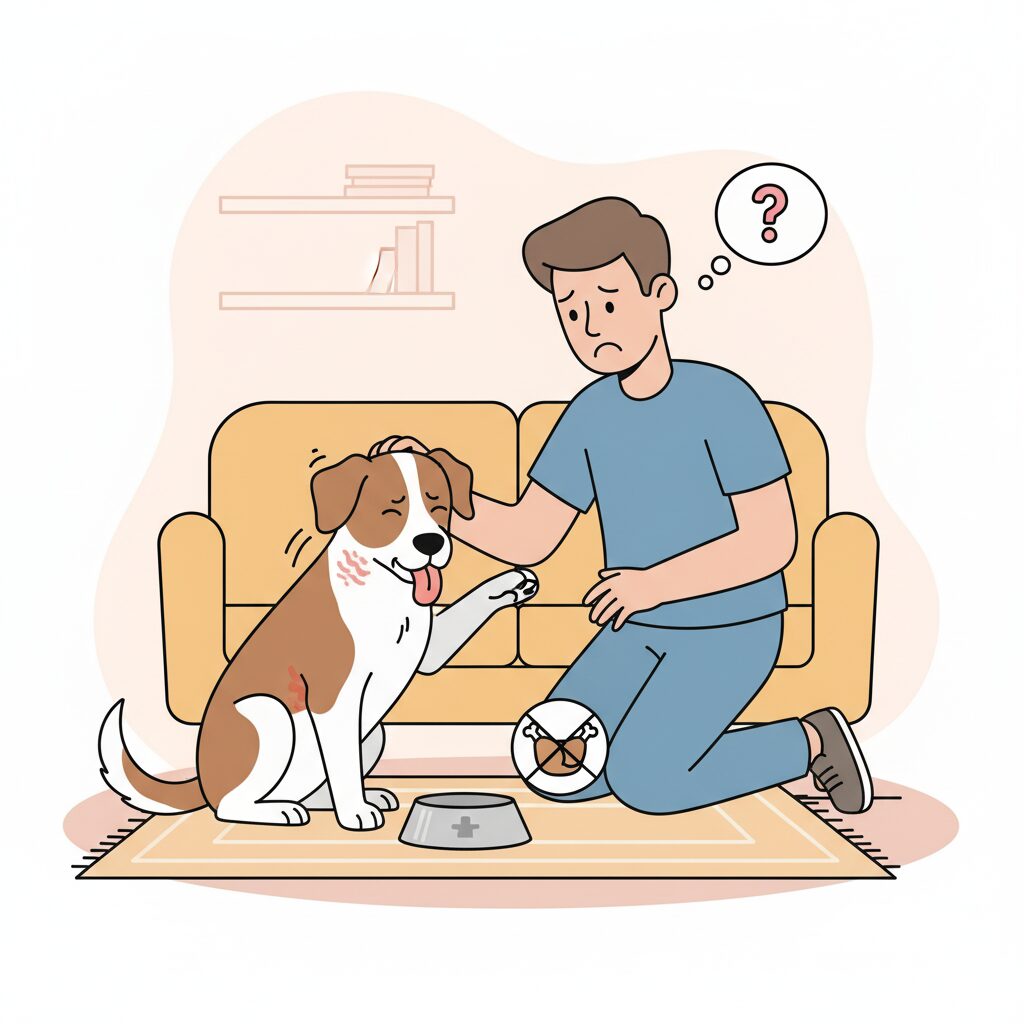
What your dog eats can directly influence their behavior. An improper diet can lead to physical discomfort that manifests as strange actions, causing your dog to be acting weird.
- Food Allergies: Allergies to ingredients like chicken, beef, or dairy can cause itchy skin, leading to constant scratching, licking, and general restlessness. Gastrointestinal upset is also common.
- Nutritional Deficiencies: A diet lacking essential nutrients can affect a dog’s mood and energy levels. While rare with commercial dog foods, it can be a concern with homemade diets that aren’t properly balanced.
- Digestive Upset: Suddenly switching your dog’s food can cause digestive upset, leading to pacing, panting, and discomfort.
- Feeding Schedule Changes: An inconsistent feeding schedule can make a dog anxious or agitated around mealtimes.
Actionable Advice: Consult your vet to ensure your dog is on a diet that meets their specific needs, which can vary by breed, age, and activity level.
9. Medication and Treatment Side Effects
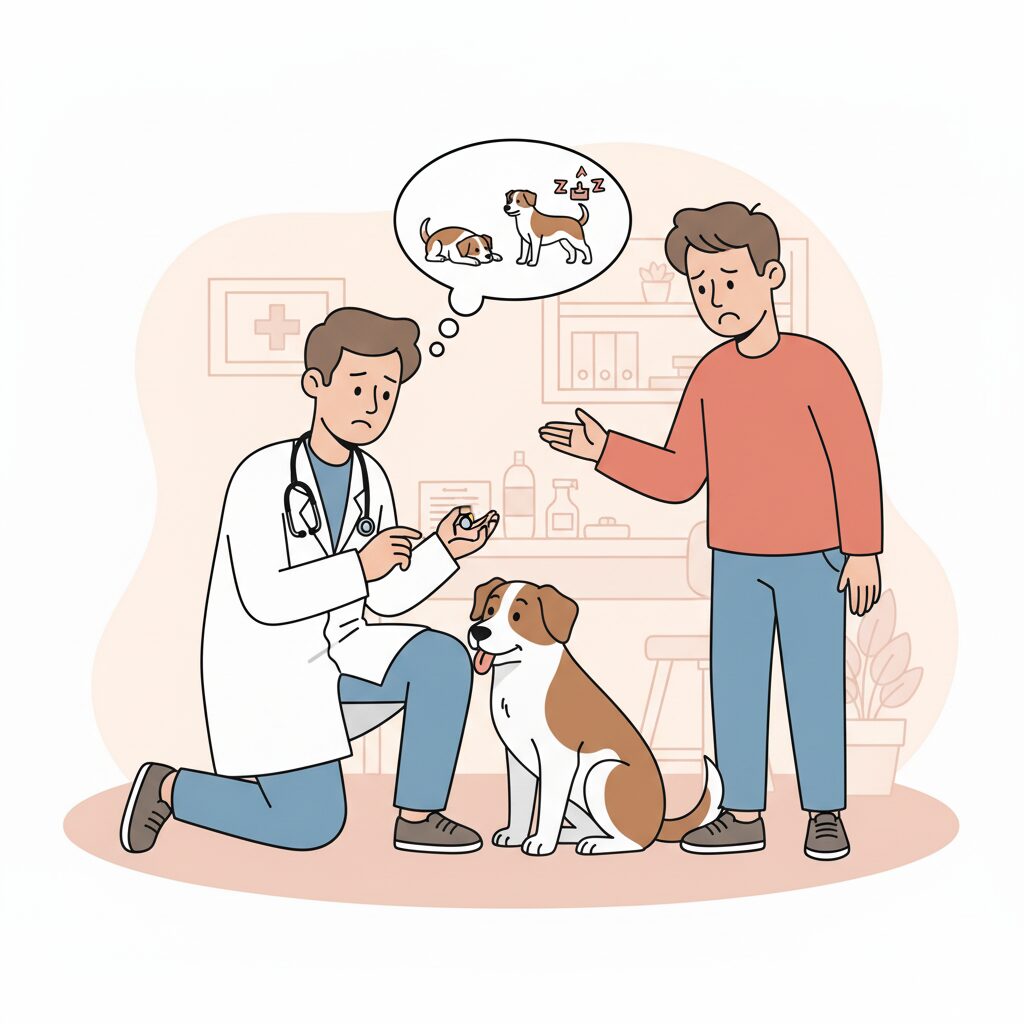
Sometimes, the treatment is the cause of the weird behavior. Always be observant after your dog starts a new medication or treatment, as this is a common reason for a dog acting weird.
- Post-Surgery Behavior: The effects of anesthesia can linger for a day or two, making your dog groggy, disoriented, or nauseous. Pain from the surgery can also cause them to act withdrawn.
- Prescription Medications: Drugs like steroids can increase appetite and thirst, leading to restlessness and accidents. Anti-anxiety medications can sometimes have the opposite effect, causing agitation.
- Flea/Tick Treatments: Some dogs can react topical flea and tick treatments, resulting in skin irritation, agitation, or lethargy.
- Vaccination Reactions: It’s common for a dog to be a little sore or tired for a day after their vaccinations.
Important Reminder: If you’re concerned about a side effect, don’t stop the medication. Call your vet first to discuss your observations and get their advice.
When to Seek Immediate Veterinary Care
While some behavioral changes can be monitored at home, others require immediate professional help. Go to an emergency vet if you see:
- Seizures
- Difficulty breathing
- Persistent vomiting or diarrhea
- Collapse or inability to stand
- Signs of extreme pain (crying out, aggression)
- Disorientation or pressing their head against a wall
It’s also important to seek help if a behavior, even a mild one, is progressive (getting worse over time) or persists for more than a day or two. Keep a behavior log with dates, times, and specific actions to show your vet.
Understanding Your Dog’s Unique Needs
Your dog relies on you to be their advocate and interpreter. When your dog is acting weird, they are communicating distress, and it’s your job to listen. Ignoring persistent strange behaviors, no matter how minor they seem, can allow underlying problems to become more serious. Early intervention, whether for a medical condition or a behavioral issue, almost always leads to a better outcome.
Build a strong relationship with your veterinarian and don’t hesitate to call them with concerns. By being an observant and proactive pet parent, you can ensure your dog lives a long, happy, and healthy life.
As your next step, consider starting a behavior journal for your dog today. Note their daily routines and any deviations. And if you haven’t already, create an emergency contact list with your vet’s number, the nearest 24-hour animal hospital, and the poison control hotline. Being prepared is the best way to care for your beloved companion.
Read our guides:
Master DIY Dog Grooming: A Safe & Simple Home Guide
150+ Best German Shepherd Names: Strong. Unique & Cute Ideas
The Complete Guide to Puppy and Food: Everything New Owners Need to Know
How to Take Care of a Dog: Complete Beginner’s Guide + 10 Expert Tips
6 Dog Behavior Problems and How to Fix Them