The Complete Guide to Puppy and Food: Everything New Owners Need to Know
Our blogs are well-researched and medically reviewed under editorial team. The information is sourced from trusted and accurate sites.
- Supplements: Generally not necessary and can be harmful (especially calcium) for large breeds.
- Toxic Foods: Never feed chocolate, grapes, onions, garlic, or xylitol (artificial sweetener).
- Treats: Limit treats to 10% of the puppy’s total daily calories.
- Large Breeds: Must be fed Large Breed-Specific Formulas to control growth and prevent bone disease.
- Hydration: Ensure constant access to fresh water and monitor for signs of dehydration.
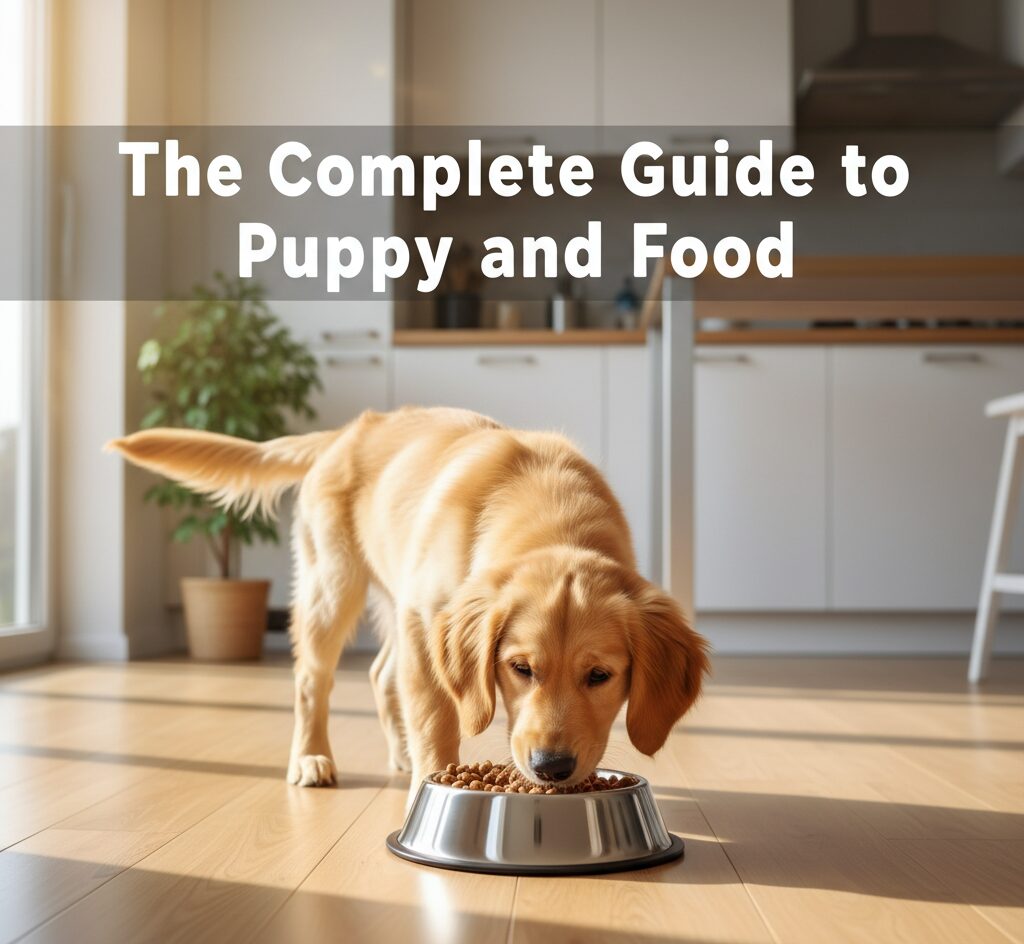
Your puppy’s first year is a time of rapid growth and development. Their bones are strengthening, muscles are building, and their immune system is maturing. Unlike adult dogs, puppies have unique nutritional requirements that standard dog food simply can’t meet. Making the right choices about puppy and food will set the foundation for a lifetime of health and happiness.
This comprehensive guide will walk you through everything you need to know about feeding your puppy, providing practical advice to help your new companion thrive.
Why Puppy Food is Different From Adult Dog Food
A common question new owners ask is: What’s the difference between puppy and adult dog food? Here is the answer:
Puppies require approximately twice the amount of calories per pound of body weight compared to adult dogs due to their rapid growth rate.
1. Higher Protein and Fat Content
- Higher Protein and Fat: Puppy food contains 22-32% protein, supporting muscle development and growth. The fat content (10-25%) supplies concentrated energy and supports the nervous system.
- Essential Minerals for Growth: Calcium and phosphorus levels are carefully balanced. These ratios must be specific, too much can cause Developmental Orthopedic Diseases (DOD), especially in large breeds.
Read our guide Why Is My Dog Acting Weird? 9 Reasons Not to Ignore Strange Behavior
2. Physical Design
- Small Kibble Size: Designed for tiny mouths and developing teeth.
- Easier Digestion: The texture is often softer, and some formulations include prebiotics and probiotics.
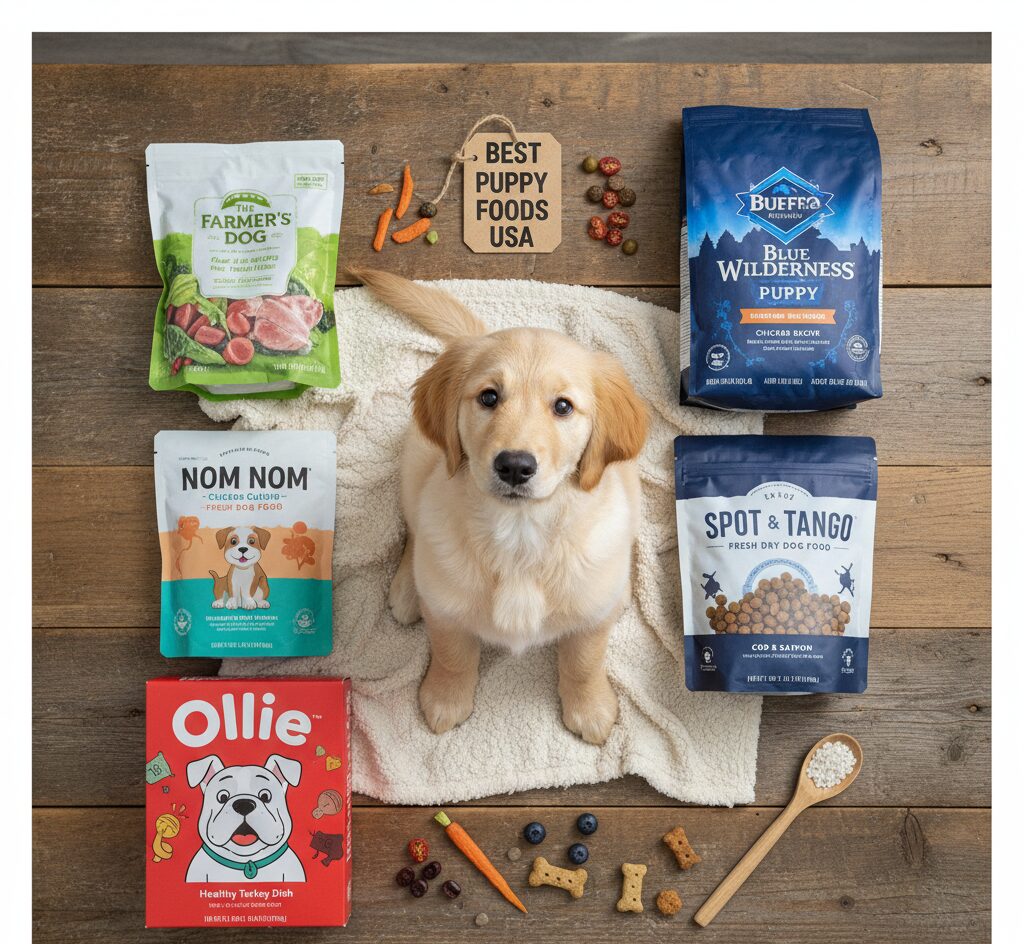
Here are the best puppy foods available in America (USA), and they are vet-recommended
- The Farmer’s Dog
- Nom Nom
- Ollie
- Spot & Tango
- Blue Buffalo
-

Best foods in the USA
How to Choose a Healthy Puppy Food
Focus on these key components to make an informed decision and find a truly complete and balanced puppy food.
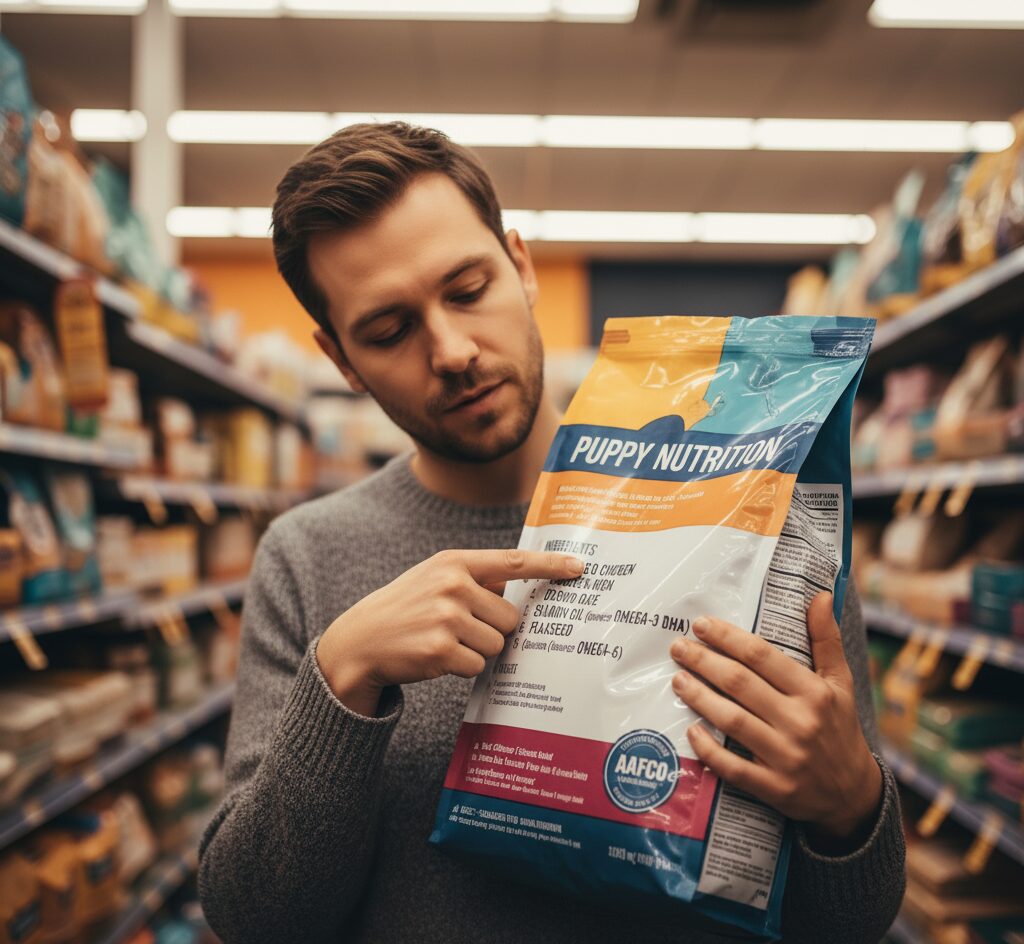
Image Source: Doggieboggie
Reading the Label and Ingredients
-
High-Quality Protein Sources:
Protein should be the first ingredient. Look for named meat sources like chicken, beef, fish, or lamb. Formulas like lamb and rice puppy food or chicken and rice puppy food are highly popular for their digestibility. You might see specific brands like Purina Pro Plan puppy food or Blue Buffalo puppy food highlighted for quality protein.
-
Essential Fats:
Look for omega-3 and omega-6 fatty acids (often from fish oil or flaxseed). These are important for cognitive development and healthy skin/coat.
-
AAFCO Statement:
The Association of American Feed Control Officials (AAFCO) statement is your guide. Look for phrases confirming it meets nutritional levels for growth.
Types of Puppy Food
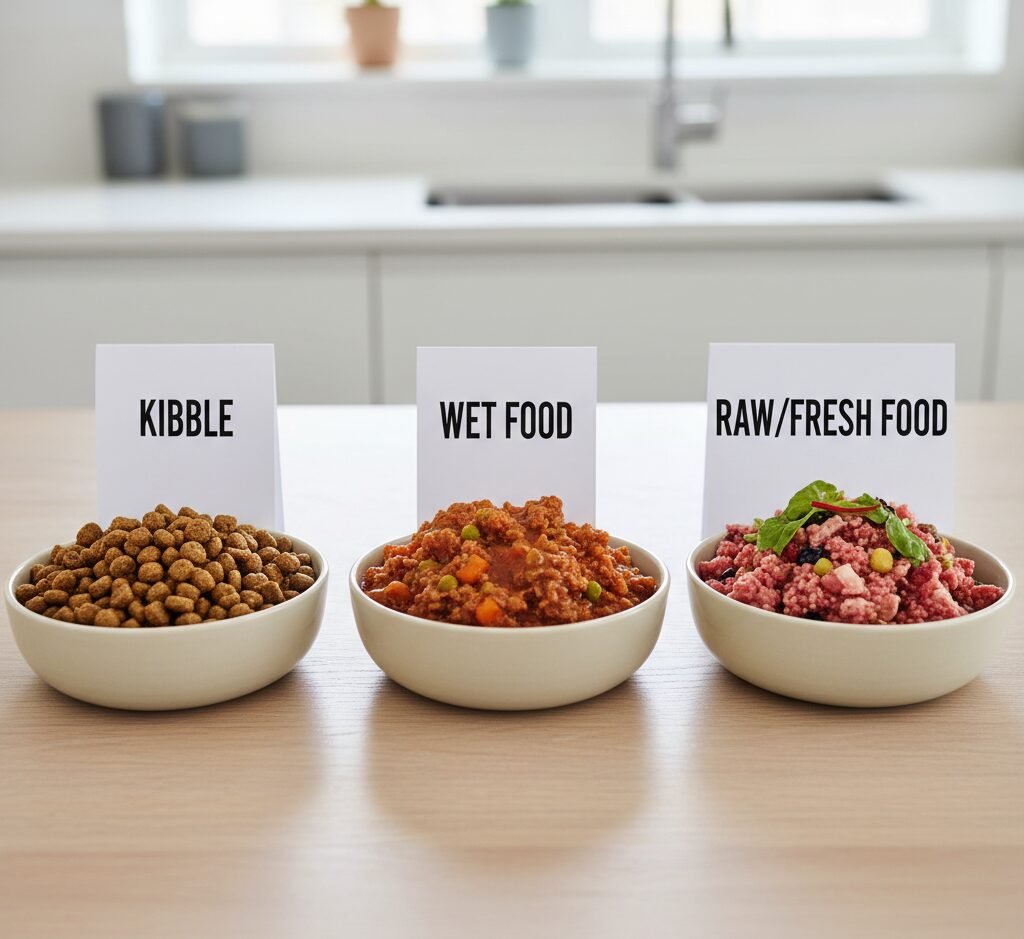
1. Dry Food (Kibble)
Kibble offers convenience and typically costs less than other options. The crunchy texture can help maintain dental health by reducing plaque buildup. However, dry food contains less moisture, so ensure your puppy has constant access to fresh water.
2. Wet Food
Puppies and wet food often go well together, as the soft texture and strong aroma appeal to young palates. Wet food provides additional moisture and is often more palatable for picky eaters. The main drawbacks include higher cost per serving and shorter shelf life once opened.
3. Alternative Options
Fresh, dehydrated, freeze-dried, and raw food options are increasingly available. While these can offer high-quality nutrition, they require more preparation and storage considerations. Always consult your veterinarian before choosing alternative feeding methods, as they may not be appropriate for all puppies.
How Much and How Often Should I Feed My Puppy?
Establishing a proper feeding schedule helps regulate your puppy’s digestion and energy levels while preventing overeating or nutritional deficiencies. The frequency and amount of food will change as your puppy grows.
Please read our guide How to Take Care of a Dog: Complete Beginner’s Guide + 10 Expert Tips
Age-Based Feeding Schedule
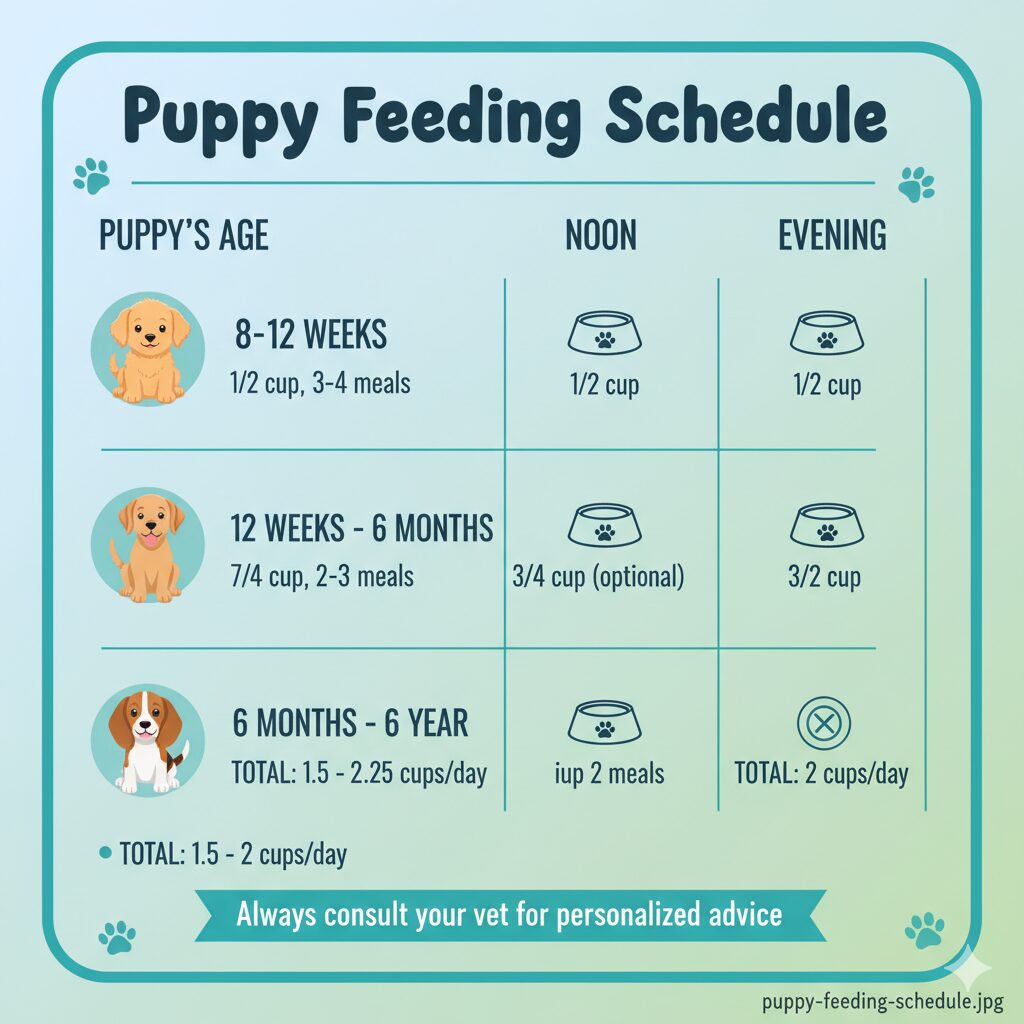
Image Source: Doggieboggie
1. Weaning to 3 Months
This period marks when puppies start eating food and drinking water independently. During these early weeks, puppies need small, frequent meals—typically three to four times daily. Their tiny stomachs can’t hold large amounts of food, so frequent feeding ensures steady nutrition and energy.
2. 3 to 6 Months
As puppies grow and their stomach capacity increases, you can reduce feeding frequency to three meals per day. This schedule provides adequate nutrition while allowing longer periods between meals, which can help with house training.
3. 6 to 12 Months
Most puppies can transition to two meals daily during this period. This schedule mirrors adult feeding patterns and helps establish long-term mealtime routines.
Puppy Feeding Chart by Expected Adult Weight
Projected Adult Weight |
Daily Food Amount |
Meals Per Day (2-6 months) |
| Small breeds (under 20 lbs) | 1/2 to 1 1/2 cups | 3-4 meals |
| Medium breeds (20-60 lbs) | 1 to 2 1/2 cups | 3 meals |
| Large breeds (60-100 lbs) | 2 to 4 cups | 3 meals |
| Giant breeds (over 100 lbs) | 3 to 6 cups | 3 meals |
When to Switch from Puppy to Adult Dog Food
The transition from puppy to adult food timing varies significantly based on breed size, as different dogs reach maturity at different ages. Making this switch at the right time prevents overfeeding calories and nutrients that adult dogs no longer need.
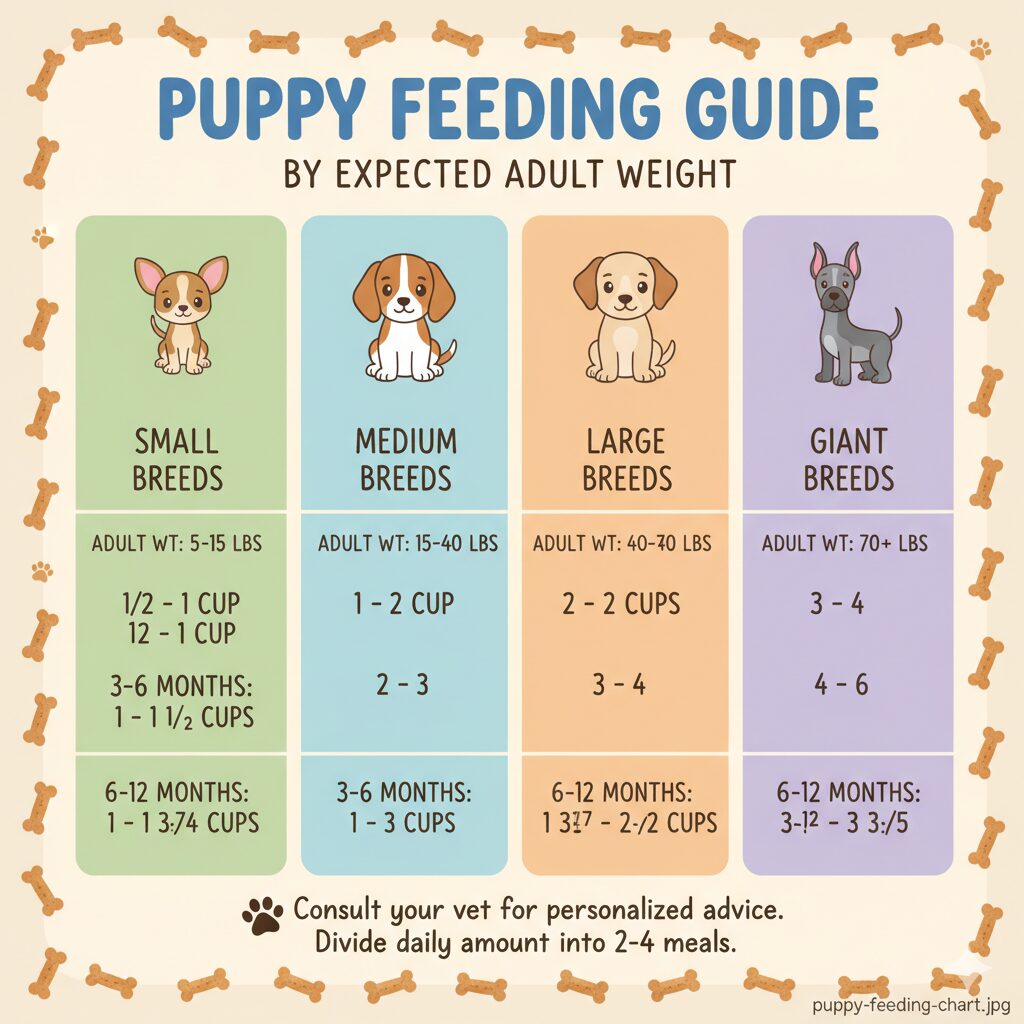
Image Source: Doggieboggie
Timeline by Breed Size
Breed Size |
Adult Weight |
Switch Timeline |
| Extra-Small | Up to 9 lbs | 8-10 months |
| Small | Up to 22 lbs | 8-10 months |
| Medium | 23-55 lbs | 12 months |
| Large | 56-99 lbs | 15 months |
| Giant | 100+ lbs | 18-24 months |
The Gradual Transition Process
Never switch foods abruptly, as sudden dietary changes can cause digestive upset and diarrhea. Plan a 7-10 day transition period using this schedule:
- Days 1-2: 75% puppy food + 25% adult food
- Days 3-4: 50% puppy food + 50% adult food
- Days 5-6: 25% puppy food + 75% adult food
- Days 7+: 100% adult food
Monitor your puppy during the transition for any signs of digestive issues, such as loose stools, vomiting, or decreased appetite. If problems occur, slow down the transition process or consult your veterinarian.
Common Puppy Feeding Problems and Solutions
Even with careful planning, feeding challenges can arise. Understanding common issues and their solutions helps maintain proper nutrition while addressing behavioral concerns.
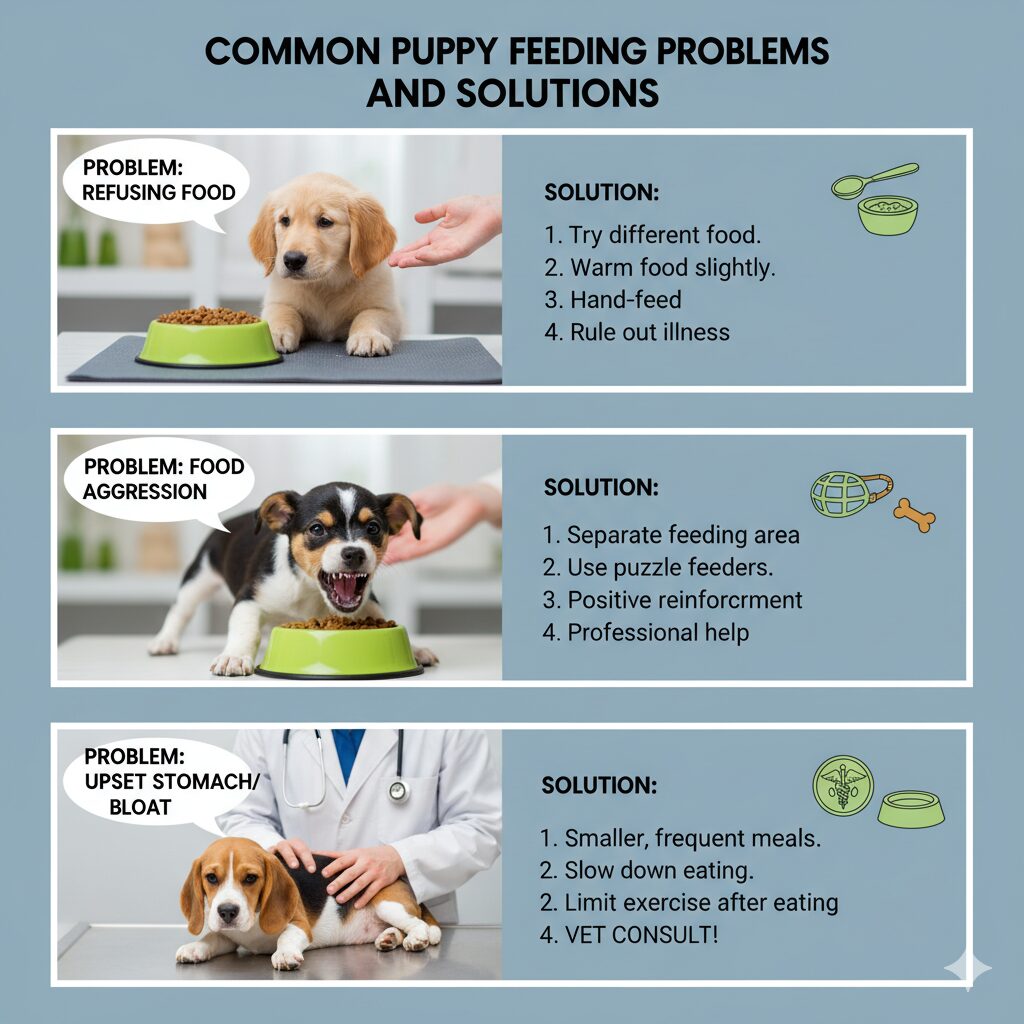
Image Source: Doggieboggie
1. Food Aggression
Food aggression stems from natural survival instincts but needs addressing early to prevent dangerous behavior. Signs include growling, snapping, or guarding food bowls. Prevention strategies include:
- Hand-feeding occasionally to establish trust
- Teaching puppies that approaching hands near food bowls brings good things
- Adding treats to the bowl while the puppies eat to create positive associations
- Never punishing food-related behavior, which can escalate aggression
2. Picky Eating
Some puppies develop finicky eating habits, refusing meals or eating only treats. Address this by:
- Maintaining consistent meal times and removing uneaten food after 15-20 minutes
- Avoiding table scraps and excessive treats that can reduce appetite for regular meals
- Trying different textures—mixing wet food with kibble can increase palatability
- Ensuring the food is fresh and properly stored
3. Digestive Upset
Occasional stomach issues are common in puppies but require attention to prevent dehydration and nutritional deficiencies. Common causes include:
- Food changes: Always transition gradually between different foods
- Overeating: Monitor portion sizes and feeding frequency
- Stress: New environments or schedule changes can affect digestion
- Parasites or illness: Persistent symptoms require veterinary evaluation
Contact your veterinarian if digestive issues persist longer than 24 hours, if your puppy shows signs of dehydration, or if symptoms include blood in stool or projectile vomiting.
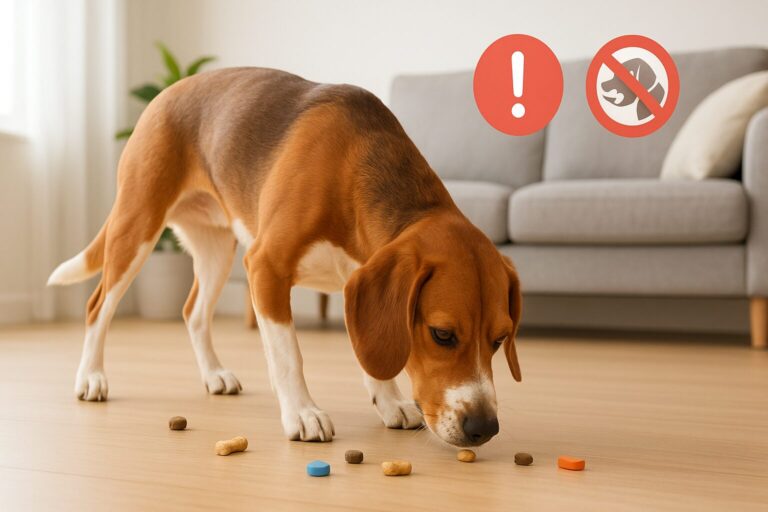
🛑 Toxic Foods: What Puppies Must NEVER Eat
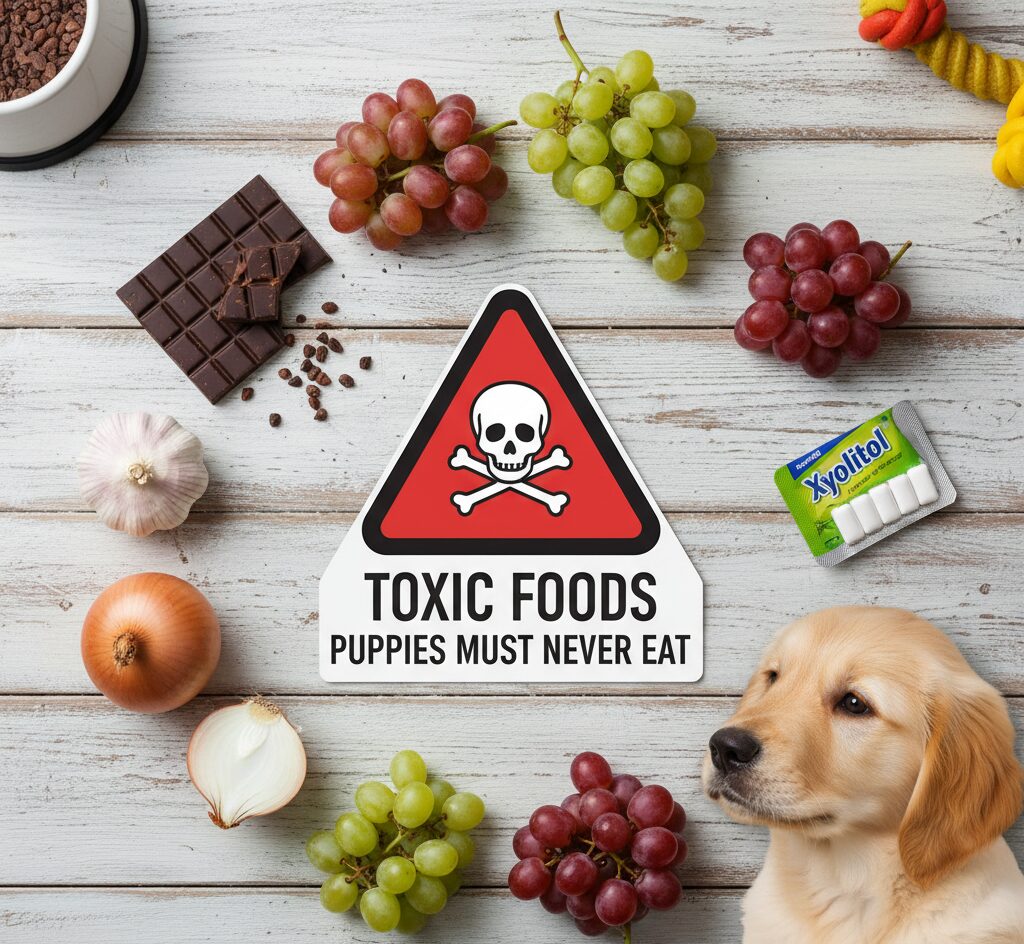
Do not feed your puppy any of the following common human foods:
Toxic Food |
Primary Danger |
| Chocolate (especially dark) | Contains Theobromine, toxic to dogs. |
| Grapes and Raisins | It can cause acute kidney failure. |
| Xylitol (Artificial Sweetener) | Causes a rapid drop in blood sugar and liver failure. |
| Onions, Garlic, Chives, Leeks | Damages red blood cells, leading to anemia. |
| Alcohol | Affects the nervous system; low doses can be toxic. |
| Cooked Bones | Risk of splintering, choking, and intestinal obstruction. |
https://doggieboggie.com/how-much-food-to-feed-a-puppy-per-day/
https://doggieboggie.com/how-do-i-know-if-im-feeding-my-puppy-enough/
https://doggieboggie.com/what-are-signs-of-overfeeding-a-puppy/
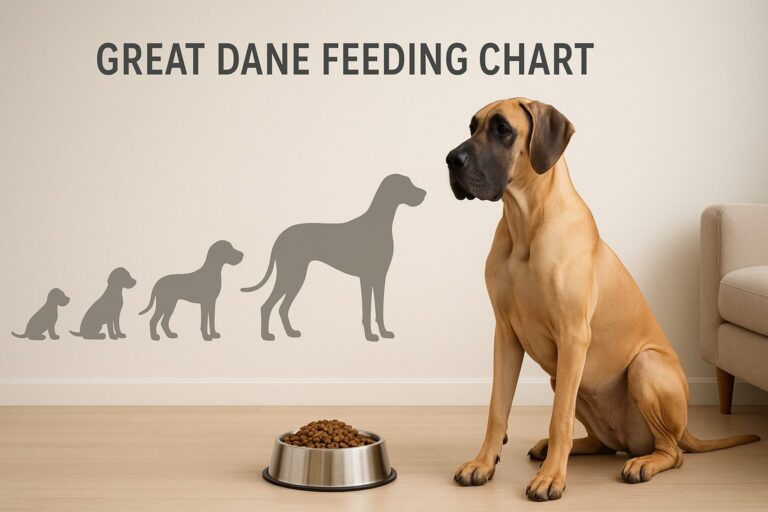
https://doggieboggie.com/great-dane-feeding-chart-by-age/
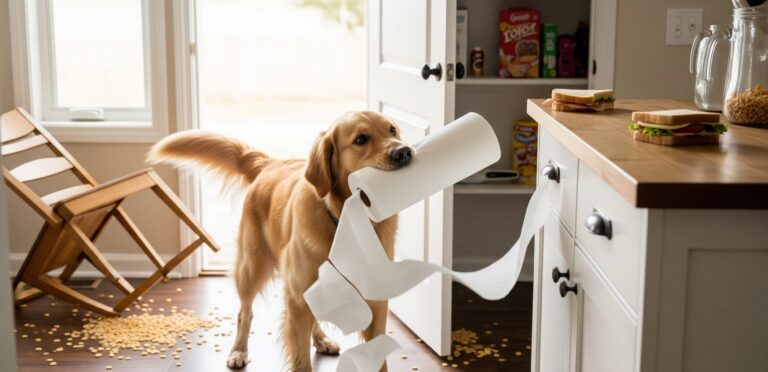
https://doggieboggie.com/why-does-my-dog-eat-everything-and-how-to-stop-it/
Frequently Asked Questions
1. When do puppies start eating food and drinking water?
Puppies begin the weaning process around 3-4 weeks of age, gradually transitioning from mother’s milk to solid food over several weeks. By 8 weeks, most puppies are fully weaned and ready for their new homes.
2. Can puppies eat wet food exclusively?
Yes, high-quality wet food labeled as complete and balanced for growth can serve as a puppy’s sole nutrition source. However, incorporating some dry food can benefit dental health and provide texture variety.
3. What’s the main difference between puppy food and adult dog food?
Puppy food contains higher levels of protein, fat, calories, and specific minerals like calcium and phosphorus to support rapid growth and development. Adult dog food is formulated for maintenance rather than growth.
4. How long should puppies stay on puppy food?
This varies by breed size: small breeds typically switch at 8-10 months, medium breeds around 12 months, and large to giant breeds between 15-24 months when they reach adult size.
Setting Your Puppy Up for Lifelong Health
- Provide proper nutrition early. The food you choose now shapes your puppy’s bones, muscles, and immune system.
- Know your puppy’s needs. Each puppy is different in activity, metabolism, and health.
- Visit the vet regularly. Checkups help ensure your puppy’s diet supports healthy growth.
- Watch for changes. Needs change as puppies grow from 8 to 16 weeks and beyond.
- Choose quality food. Pick complete and balanced puppy food with the right nutrients.
- Feed on schedule. Regular mealtimes help with digestion and energy.
- Observe closely. Monitor weight, energy, coat, and stool to see how the diet works.
- Ask for help. Talk to your vet or a nutrition expert if unsure.
- Enjoy puppyhood. Love, patience, and good nutrition build a strong, happy dog.