Is Your Dog Shivering and Panting? When to Worry: An Expert Guide
Our blogs are well-researched and medically reviewed under editorial team. The information is sourced from trusted and accurate sites.
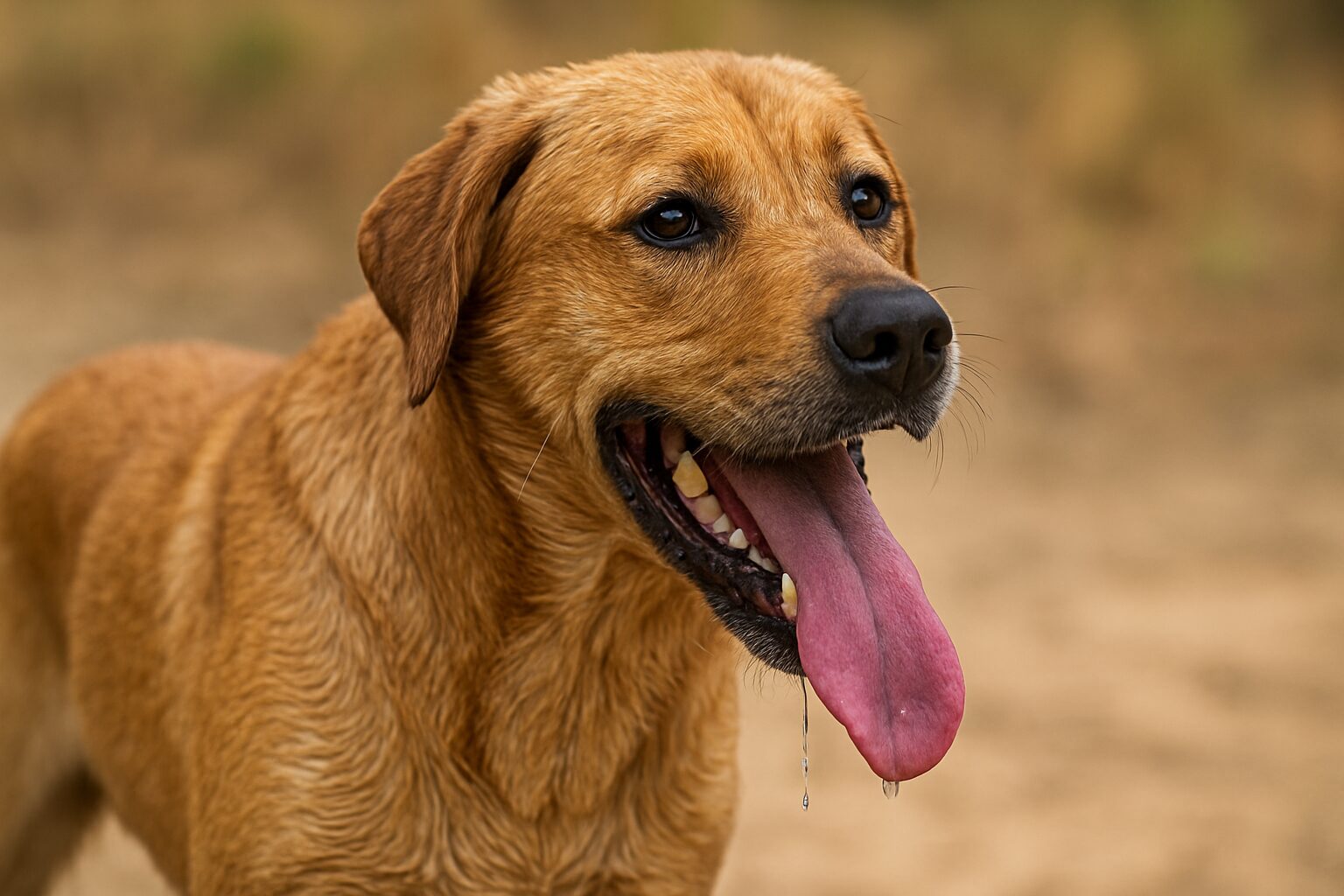
Seeing your beloved canine companion shivering and panting can trigger immediate concern. As a dog owner, you naturally want to ensure your furry friend feels safe and comfortable.
While an occasional shiver might seem harmless, understanding when this behavior signals something more serious can make all the difference in your dog’s health and well-being.
Checklist for Your Dog Shivering and Panting
This checklist is designed to assess if you need immediate veterinary care quickly:
| Situation | Action |
| Suspected Poisoning (e.g., ingested cweiredocolate, meds) | 🚨 Call the Vet Immediately |
| Severe, Persistent Shivering & Panting (Doesn’t stop with comfort) | 🚨 Call the Vet Immediately |
| Additional Serious Symptoms (Seizures, collapse, pale gums, difficulty breathing) | 🚨 Call the Vet Immediately |
| Obvious Pain/Injury (Reluctance to move, yelping when touched) | 🚨 Call the Vet Immediately |
| Mild Shivering due to Cold | ✅ Provide Warmth (Blankets, sweater) |
| Mild Shivering due to Excitement/Fear | ✅ Provide Comfort (Quiet space, gentle voice) |
Dog shivering occurs for various reasons, ranging from completely normal responses to environmental factors to potential medical emergencies. When shivering appears alongside panting, it becomes even more important to assess the situation carefully. Your dog’s body language speaks volumes about their internal state, and recognizing these signals empowers you to provide the best possible care.
This comprehensive guide will help you navigate the various causes of canine shivering and panting, equip you with practical steps to assess your dog’s condition, and clearly outline when professional veterinary care becomes necessary. By the end, you’ll feel confident in your ability to distinguish between harmless trembling and symptoms requiring immediate attention.
Common Reasons Your Dog Is Shivering and Panting
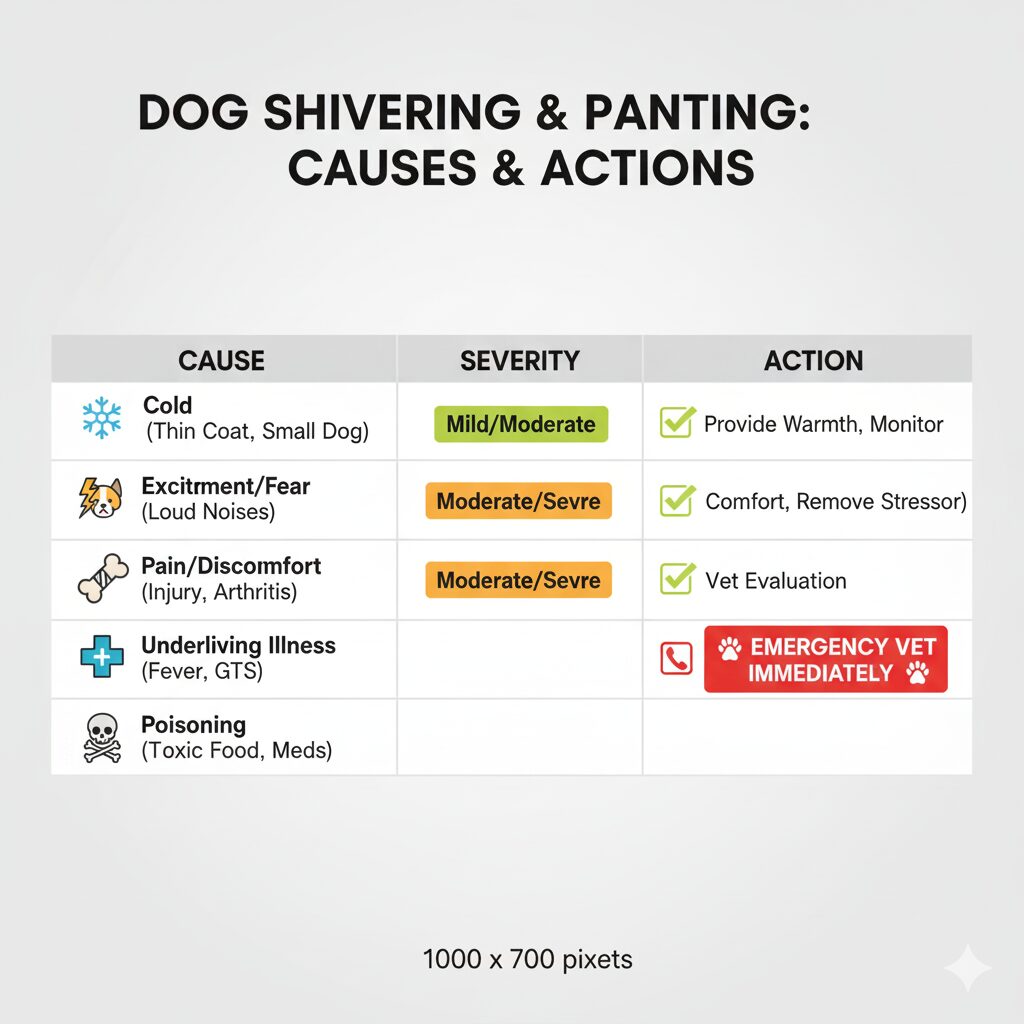
Understanding the root causes of your dog’s shivering helps you respond appropriately. As webmd has stated behaviors can stem from emotional, physical, or environmental triggers that affect dogs differently based on their breed, size, and individual temperament.
Excitement or Fear (Emotional Tremors)
Strong emotions significantly impact your dog’s physical responses. Positive excitement from seeing you return home, anticipating a walk, or meeting new people can cause visible shivering. Similarly, fear-based triggers like thunderstorms, fireworks, or unfamiliar environments often produce the same physical reaction.
Dogs experiencing emotional shivering and panting typically display other behavioral cues. They might pace, whine, hide, or seek extra attention from their owners. The trembling usually subsides once the triggering situation passes or they feel secure again.
Pain or Discomfort
Physical discomfort manifests through various symptoms, with shivering being a common indicator. Dogs experiencing pain from injuries, arthritis, or internal conditions often tremble as their bodies respond to distress. Digestive issues, muscle strains, or even dental pain can trigger this response.
Pain-related shivering frequently accompanies other warning signs. Your dog might move stiffly, avoid certain activities they usually enjoy, or show reluctance to be touched in specific areas. Chronic conditions like arthritis may cause more persistent trembling, especially during weather changes or after physical activity.
Cold Temperature (Hypothermia Risk)
Environmental temperature plays a crucial role in canine comfort. Smaller breeds, dogs with thin coats, senior pets, and puppies are particularly susceptible to cold-induced shivering. Breeds like Chihuahuas, Greyhounds, and other short-haired dogs lack the natural insulation that protects larger, fluffier breeds. Panting in cold weather is less common but can occur if the dog is also stressed or ill.
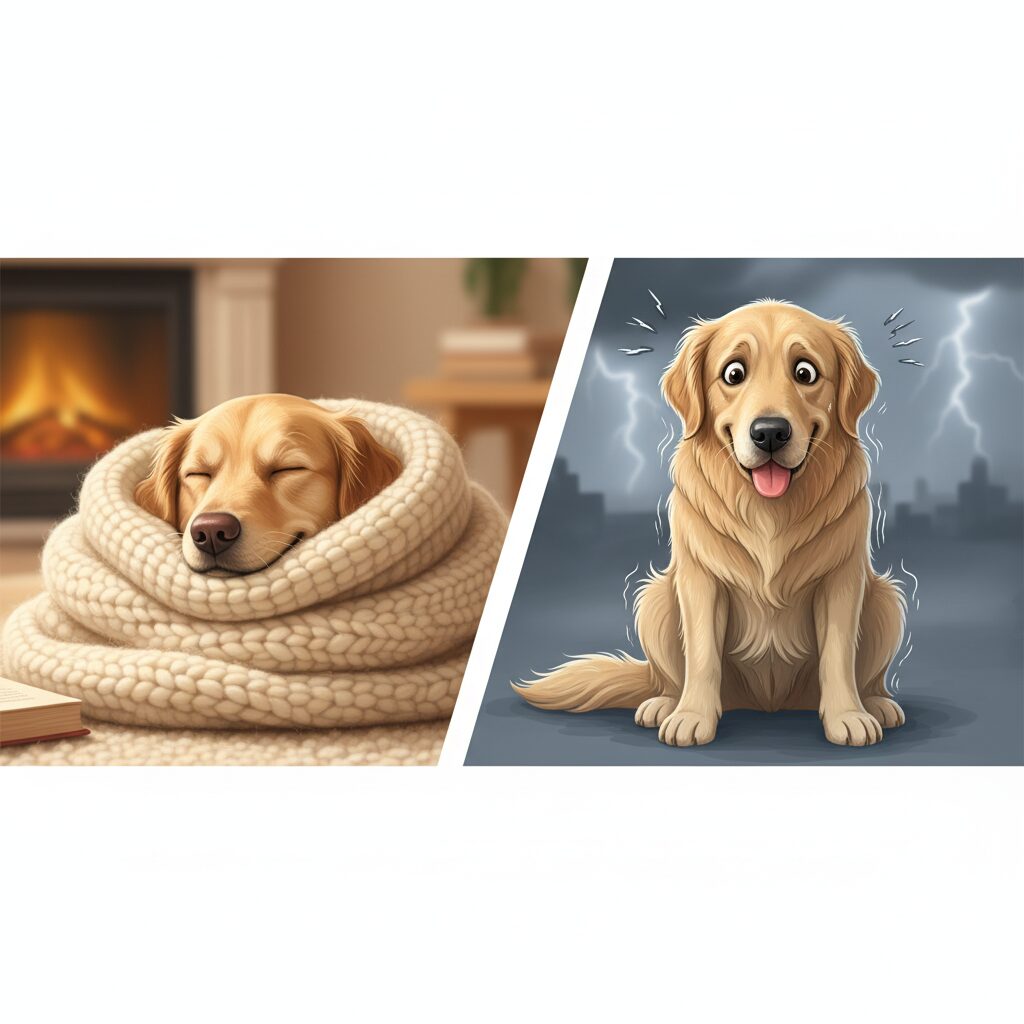
Cold-related trembling typically stops once your dog warms up adequately. Providing appropriate shelter, warm bedding, or even dog sweaters during colder months can prevent temperature-induced discomfort.
Poisoning (Toxic Ingestion)
Toxic ingestion represents one of the most serious causes of simultaneous shivering and panting. Common household items pose significant risks to curious dogs. Chocolate, grapes, onions, certain plants, cleaning chemicals, and medications can all trigger severe reactions.
Poisoning symptoms often develop rapidly and may include excessive drooling, vomiting, diarrhea, weakness, or difficulty breathing alongside trembling. This situation requires immediate emergency veterinary care, as delays can prove life-threatening.
Underlying Illness or Medical Conditions
Several medical conditions can cause persistent or recurring episodes of shivering and panting. Generalized Tremor Syndrome (GTS), also known as “little white shaker syndrome,” affects small, light-colored dogs and causes uncontrollable trembling.
Kidney disease, liver problems, and neurological conditions like distemper can also manifest through trembling episodes. These conditions often develop gradually, with shivering becoming more frequent or severe over time. Additional symptoms might include changes in appetite, bathroom habits, or energy levels.
What to Do When You See Your Dog Shivering and Panting
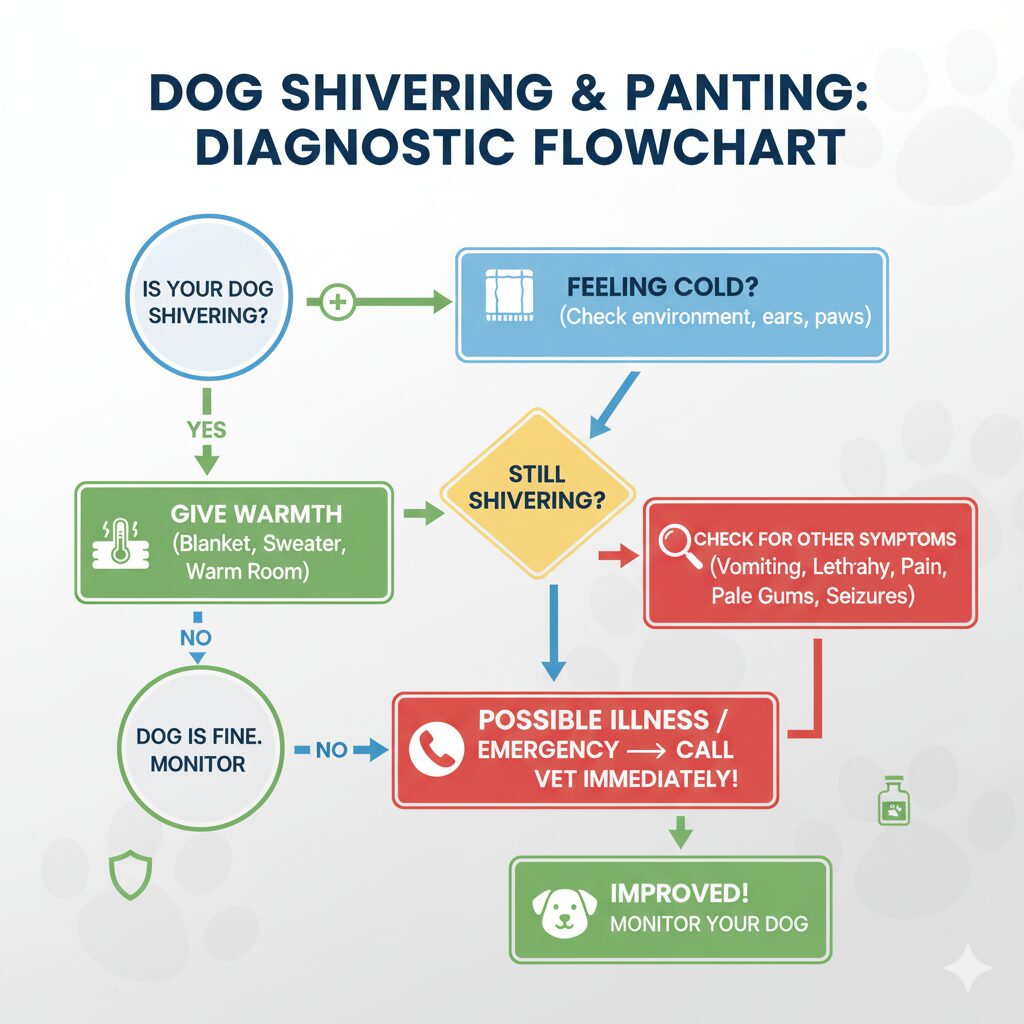
Taking systematic steps when you notice concerning symptoms helps you provide appropriate care while determining whether professional intervention is necessary.
Step 1: Assess the Situation
Begin by examining your dog’s immediate environment and recent activities. Check the temperature—is your home unusually cold, or has your dog been outside in chilly weather? Consider recent events that might have caused excitement or stress, such as visitors, loud noises, or changes in routine.
Look for obvious triggers that might explain the behavior. Has your dog just finished playing vigorously, or did they recently experience something that typically causes anxiety? Understanding the context helps differentiate between normal responses and concerning symptoms.
Step 2: Check for Other Symptoms
Conduct a gentle but thorough observation of your dog’s overall condition. Look for additional signs that might indicate the severity of the situation. Note any changes in breathing patterns, gum color (pale or bluish gums are an emergency), posture, or mobility.
Watch for vomiting, diarrhea, excessive drooling, or unusual lethargy. Check if your dog responds normally to their name, treats, or favorite activities. These additional symptoms help paint a complete picture of your pet’s health status.
Step 3: Provide Comfort
Take immediate steps to address potential causes within your control. If cold weather seems responsible, provide warm blankets or move your dog or puppy to a warmer location. For anxiety-related shivering, create a calm, quiet environment away from stressors.
Offer fresh water and speak in soothing tones to help your dog feel secure. Avoid forcing interaction if your dog seems to prefer solitude, but remain nearby to monitor their condition. Sometimes, simple comfort measures resolve minor issues naturally.
When to Call the Vet Immediately
Certain scenarios require urgent professional medical attention. Recognizing these red flags can save your dog’s life and prevent complications from developing.
Contact your veterinarian immediately if:
- You suspect your dog has ingested something toxic, including chocolate, medications, cleaning products, or harmful plants.
- The shivering and panting are severe, persistent, and don’t improve with comfort measures.
- Your dog experiences additional serious symptoms like collapse, seizures, difficulty breathing, or pale gums.
- Your dog appears to be in significant pain, showing reluctance to move, eat, or interact normally.
- The trembling began suddenly and seems unrelated to environmental factors or emotional triggers.
- Your dog’s behavior has changed dramatically alongside the physical symptoms.
- You notice swelling, bleeding, or other visible signs of injury or illness.
Trust your instincts as a pet owner. You know your dog’s normal behavior better than anyone, and significant deviations often warrant professional evaluation.
Don’t Panic, But Stay Prepared
Dog shivering and panting can result from various causes, ranging from completely normal emotional responses to serious medical emergencies. Most episodes stem from manageable factors like cold weather, excitement, or minor anxiety. However, understanding when these symptoms indicate something more serious empowers you to protect your furry family member effectively.
The key lies in careful observation and quick action when necessary. By assessing your dog’s environment, checking for additional symptoms, and providing appropriate comfort, you can often address minor issues while identifying situations that require professional care.
Remember that your veterinarian serves as your best resource for maintaining your dog’s health and well-being. When in doubt, always contact your veterinary team. Early intervention often leads to better outcomes, and professional guidance provides peace of mind during concerning situations. Your attentiveness and prompt action when needed ensure your beloved companion receives the expert care they deserve.
Claim your free new owner’s guide. Click here.