Why Is My Dog Acting Drunk all of sudden? 7 Urgent Causes to Know
Our blogs are well-researched and medically reviewed under editorial team. The information is sourced from trusted and accurate sites.
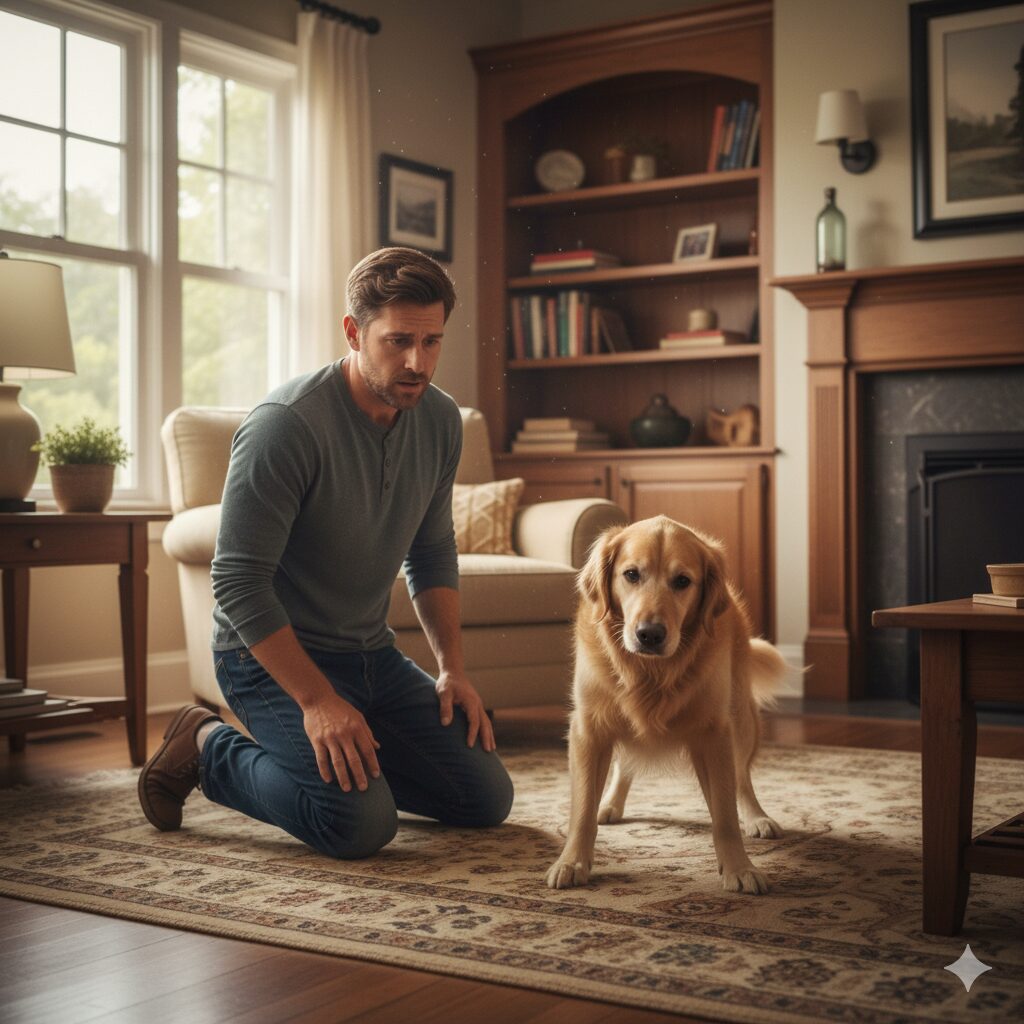
When you see your dog acting drunk, stumbling, swaying, or disoriented, it is medically known as ataxia. It is almost always a sign of an urgent medical issue requiring immediate veterinary attention. Your dog might have toxic ingestion, strokes, a head injury, or a brain tumor.
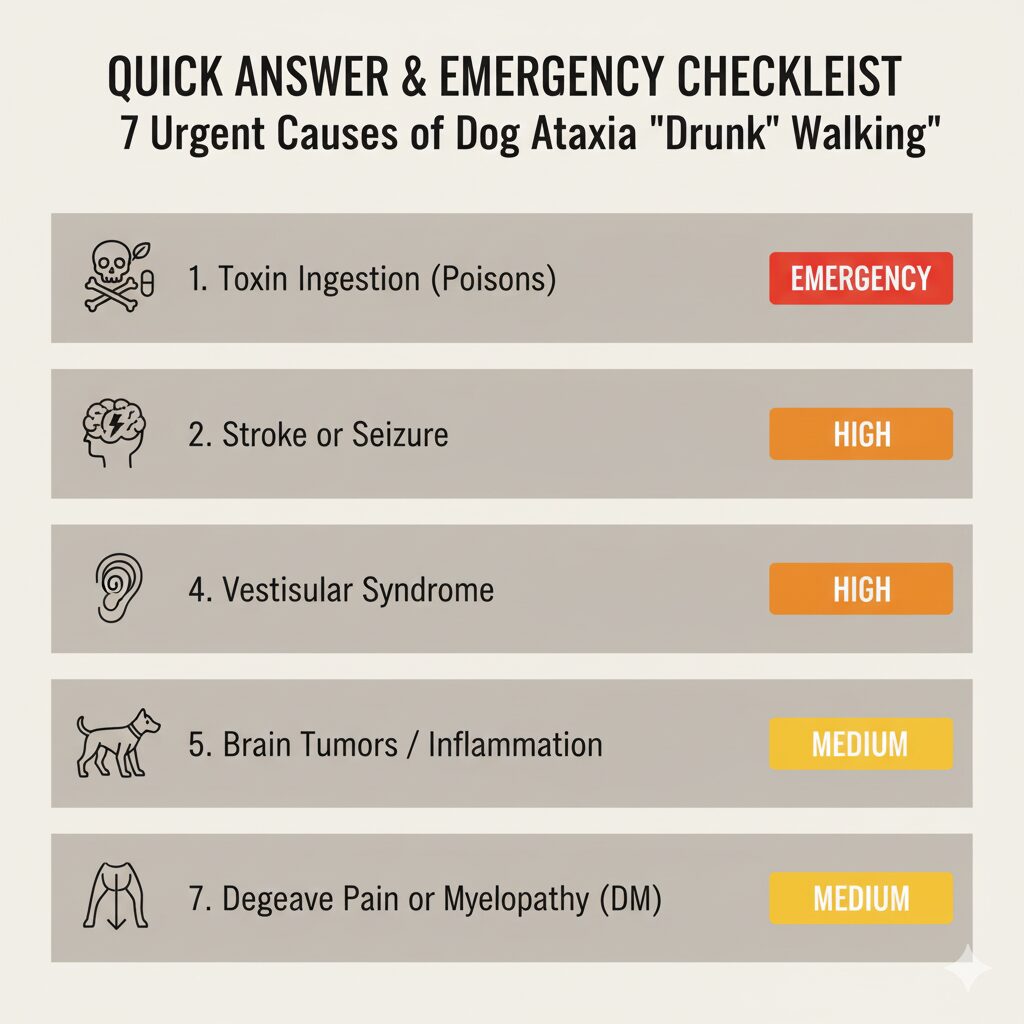
Let’s explore a quick checklist that will tell you about emergency cases of when your dog is high or acting drunk:
Urgent Causes (Quick Checklist) |
Urgency Level |
Symptoms to Watch For |
| Toxin Ingestion (Poisons) | EMERGENCY | Vomiting, extreme lethargy, tremors, and hyperactivity. |
| Stroke or Seizure | EMERGENCY | Sudden loss of balance, walking in circles, confusion, shaking, or collapse. |
| Head or Spinal Injury | EMERGENCY | Wobbly gait after an incident, pain, and weakness in limbs. |
| Vestibular Syndrome | HIGH | Head tilt, rapid eye movements (nystagmus), nausea, and walking in circles. |
| Brain Tumors/Inflammation | HIGH | Gradual or sudden wobbling, behavioural changes, seizures. |
| Severe Pain or Weakness | MEDIUM | Shaking, reluctance to stand, limping, lack of energy. |
| Degenerative Myelopathy (DM) | Low to Medium | Hind leg wobble, dragging feet (knuckling) (primarily older, large breeds). |
One moment, your dog is their usual happy self. Next, they’re stumbling, swaying, and seem completely out of it. It’s an alarming sight that sends a jolt of panic through any dog owner. When you see your dog acting drunk all of a sudden, it’s not just a quirky behavior; it’s a clear sign that something is wrong and requires immediate attention.
This sudden loss of coordination can be terrifying to witness. You might wonder if they ate something they shouldn’t have or if it’s a symptom of a more serious medical issue.
This guide is here to help you understand the potential causes behind this wobbly and disoriented behavior. We’ll explore the medical term for this condition, cover the most common reasons your dog is suddenly unbalanced, and outline the exact steps you should take.
Explore dog behavior problems and their solutions in our new guide.
What is Ataxia? (The “Drunk” Walk)
When veterinarians talk about a dog acting drunk, they use the term ataxia. Ataxia isn’t a disease itself but a clinical sign indicating a loss of coordination in the head, limbs, or trunk. It stems from a problem within the nervous system that disrupts your dog’s sense of spatial awareness and balance.
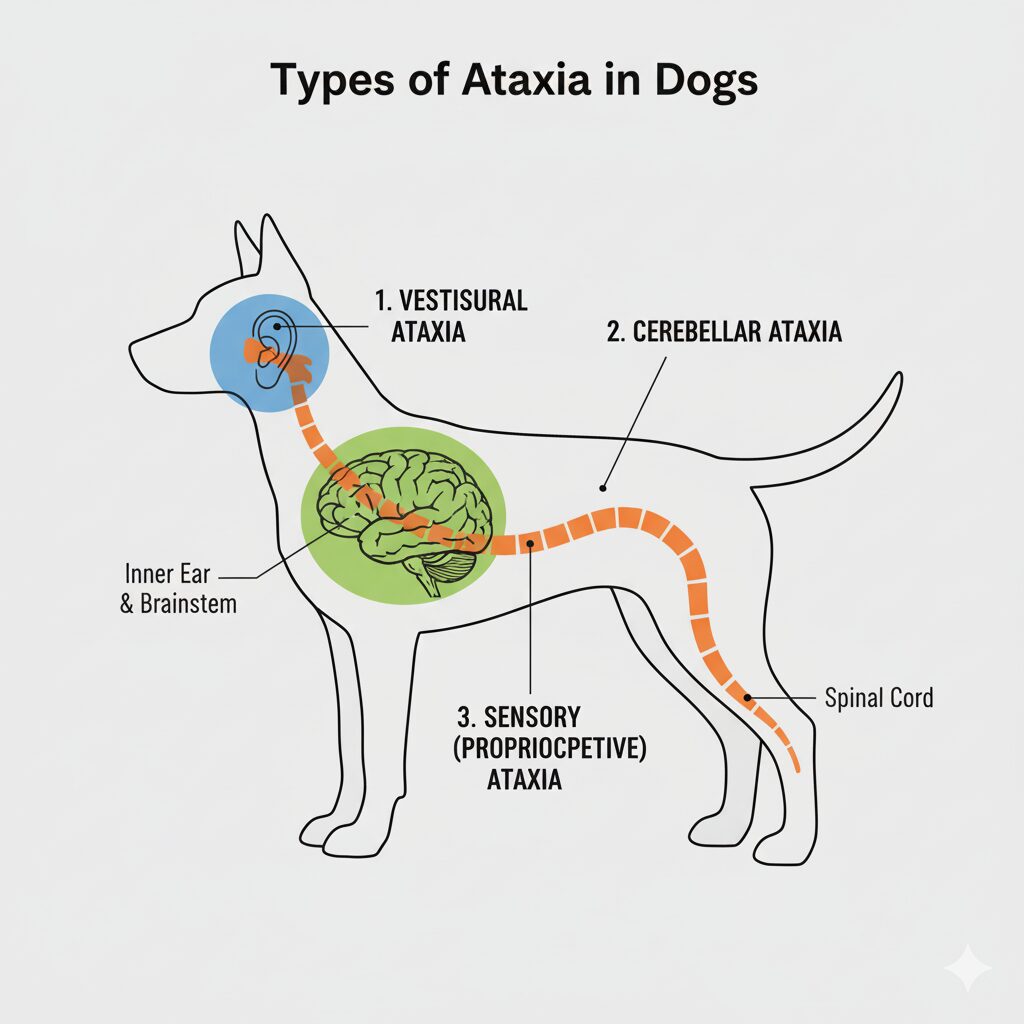
There are three main types of ataxia, and understanding them can help you describe the symptoms to your vet:
- Vestibular Ataxia: This is the most common type and affects the inner ear and brain, which control balance. A dog with vestibular ataxia will often have a pronounced head tilt, sway from side to side, and may walk in circles. This is what most owners picture when they say their dog is wobbly.
- Cerebellar Ataxia: The cerebellum is the part of the brain that coordinates movement. When it’s affected, a dog might have an exaggerated, high-stepping walk and tremors. They may look clumsy, with jerky movements.
- Sensory (Proprioceptive) Ataxia: This type happens when the spinal cord can’t properly communicate with the brain about where the limbs are in space. A dog with sensory ataxia might drag their feet, cross their legs when walking, or appear generally weak in the hind end.
7 Urgent Reasons Your Dog Is Acting Drunk and Disoriented
If your dog is stumbling and seems confused, one of these seven conditions is likely the cause. Most require immediate veterinary care.
1. Vestibular Syndrome
The vestibular system is your dog’s internal balance centre. When it’s disrupted, your dog can feel like the world is spinning, causing them to become extremely disoriented.
This is a very common reason why an elderly dog is wobbling suddenly. An inner ear infection can cause it, but often it’s “idiopathic,” meaning the direct cause is unknown.
- Symptoms to Watch For: A distinct head tilt, rapid, darting eye movements (nystagmus), nausea (your dog might be wobbly and throwing up), walking in tight circles, and falling over.
- Urgency: High. A vet visit is crucial. While idiopathic vestibular syndrome often resolves on its own, your vet needs to rule out more serious causes like an infection or tumour and can prescribe medication to help with dizziness and nausea.

2. Toxin Ingestion
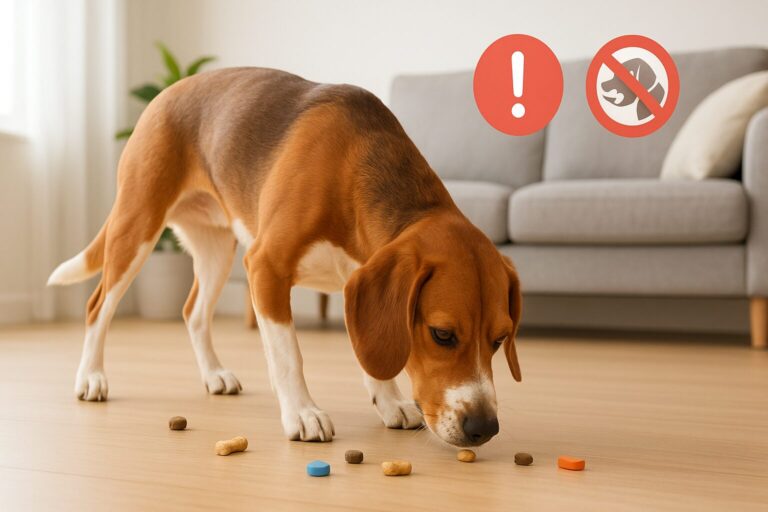
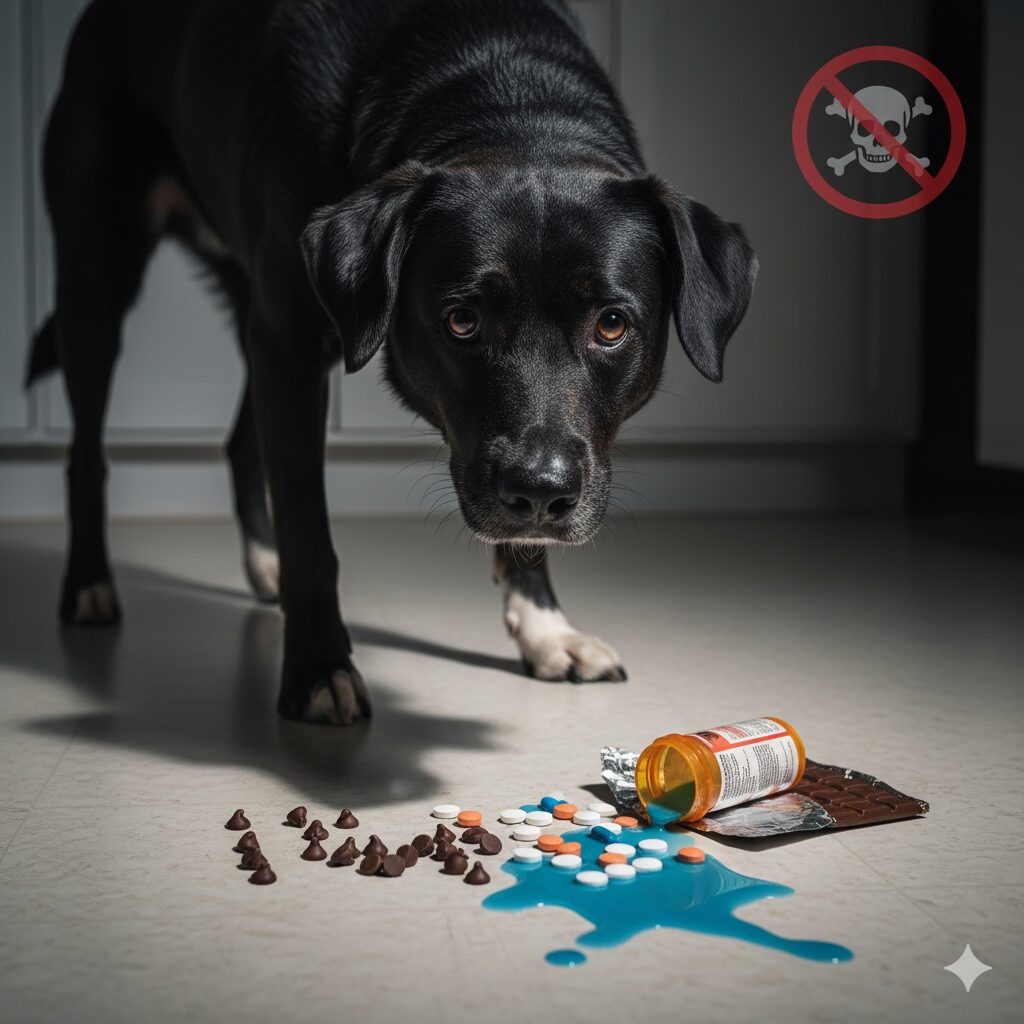
A primary concern when a dog is acting drunk all of a sudden is that they’ve ingested something poisonous. Many common household items can cause severe neurological symptoms.
- Common Culprits: Alcohol, marijuana (which is why your dog may be acting high and disoriented), xylitol (a sugar substitute in gum and peanut butter), human medications (like antidepressants or sleep aids), and certain plants (like sago palms or tulips).
- Symptoms to Watch For: Stumbling, extreme lethargy, vomiting, tremors, hyperactivity, or even collapse.
- Urgency: Emergency. Call your vet or the ASPCA Animal Poison Control Centre immediately. Do not wait for symptoms to worsen.
3. Stroke or Seizure
Just like humans, dogs can suffer from strokes, which occur when blood flow to the brain is blocked or a blood vessel ruptures. A seizure is a sudden, uncontrolled electrical disturbance in the brain.
The period after a seizure, known as the “post-ictal” phase, can also leave a dog confused, unbalanced, and disoriented.
- Symptoms to Watch For: For a stroke, look for a sudden loss of balance, walking in circles, vision problems, and weakness on one side of the body. A dog losing balance and shaking could be having a seizure. After a seizure, they may pace, seem blind, or be unable to stand properly.
- Urgency: Emergency. Immediate veterinary care is critical to diagnose the event and provide life-saving treatment.
4. Head or Spinal Injury
Trauma is a frequent cause of ataxia, especially if a dog is walking weird all of a sudden.
A fall from furniture, a car accident, or even overly rough play can cause an injury to the brain or spinal cord that impacts coordination.
- Symptoms to Watch For: Obvious signs of pain, reluctance to move their head or neck, weakness in the limbs, or a wobbly gait that appeared after a known incident.
- Urgency: Emergency. Even if your dog seems fine, internal injuries may not be visible. A vet needs to check for swelling, fractures, or internal bleeding.
5. Brain Tumors or Inflammation
A tumor or inflammation in the brain (known as encephalitis) can put pressure on the areas controlling balance and coordination. While more common in older dogs, it can affect dogs of any age.
- Symptoms to Watch For: The onset can be gradual or sudden. Watch for wobbling, behavioral changes (like increased aggression or confusion), pacing, and seizures.
- Urgency: High. A veterinary visit is necessary for diagnosis. Your vet may recommend advanced imaging, like an MRI or CT scan, to identify the problem.
6. Degenerative Myelopathy (DM)
Degenerative Myelopathy is a progressive disease of the spinal cord, often compared to ALS in humans.
It primarily affects older, large-breed dogs like German Shepherds and Boxers. It usually develops slowly, but owners may only notice it when the symptoms become obvious.
- Symptoms to Watch For: DM typically starts with a slight wobble in the hind legs, dragging of the rear paws, or scraping the tops of the feet (“knuckling”). It is not painful but progresses over time.
- Urgency: Low to Medium. This is not an emergency, but a vet diagnosis is essential to rule out other treatable conditions like arthritis or a slipped disc, and to create a management plan.
7. Severe Pain or Weakness
Sometimes, what looks like ataxia is actually extreme weakness caused by another condition. Severe arthritis, hip dysplasia, or low blood sugar (hypoglycemia) can make it difficult for a dog to stand and walk properly. An elderly dog wobbling over their water bowl might be too weak or in too much pain to hold their position.
- Symptoms to Watch For: Shaking, reluctance to stand up, limping, crying out when touched, or a general lack of energy.
- Urgency: Medium. A vet visit is needed to diagnose the source of the pain or weakness and provide appropriate management.
What to Do When Your Dog Is Stumbling
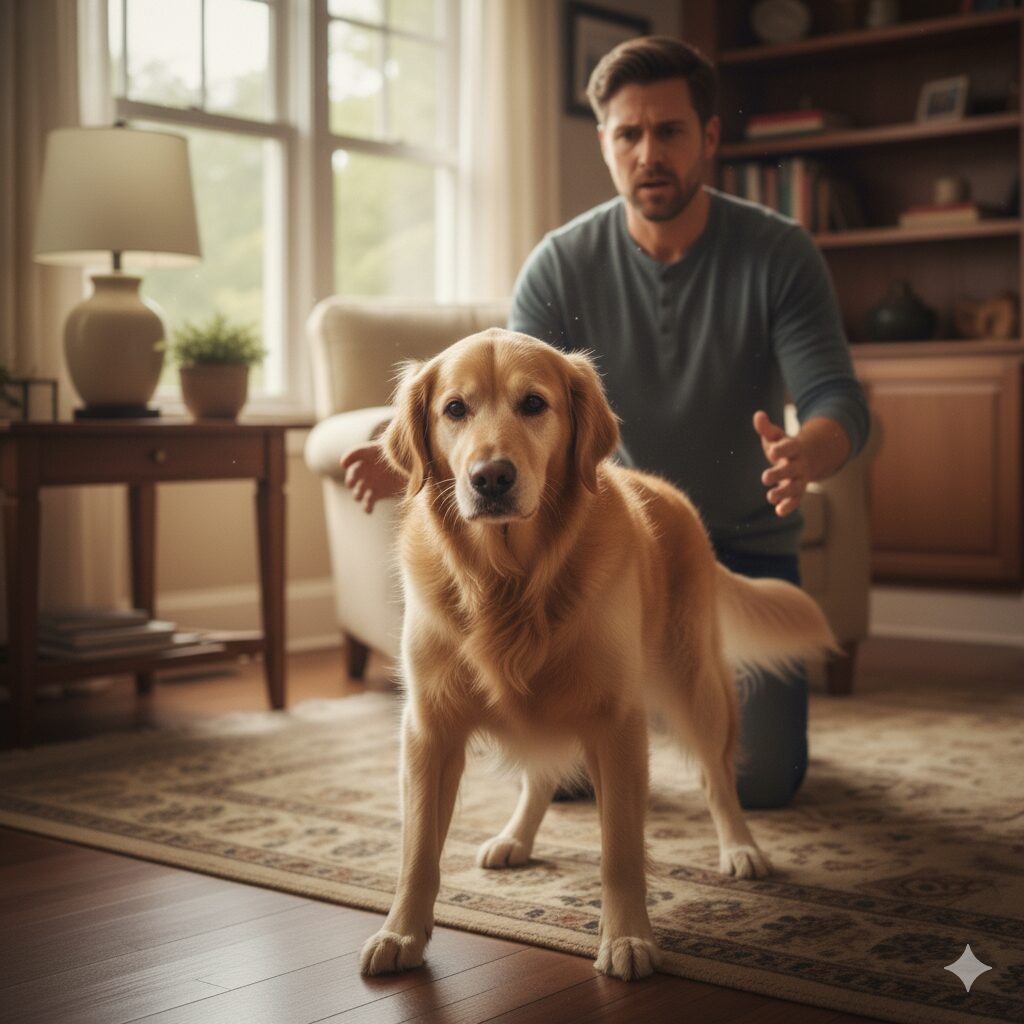
If you notice your dog is acting drunk, follow these steps:
- Stay Calm & Ensure Safety: Your panic can stress your dog further. Move them to a safe, carpeted area away from stairs or sharp corners to prevent falls and injuries.
- Observe & Take Notes: Document all the symptoms you see. When did it start? Is there a head tilt? Are their eyes moving strangely? Did they eat anything unusual? If you can do so safely, take a short video on your phone to show your vet.
- Do NOT “Wait and See”: A wobbly gait is almost always a sign of a serious underlying issue. Waiting can allow the condition to worsen, making treatment more difficult.
- Call Your Vet Immediately: This is the most important step. Explain the symptoms clearly and follow their instructions. They will tell you if you need to come in right away or go to an emergency animal hospital.
Your Next Step Is Your Vet
Seeing your dog wobbly and disoriented is a clear signal that something is wrong and requires prompt veterinary attention.
While the potential causes range from a simple ear infection to a serious neurological event, only a professional can make an accurate diagnosis and create a treatment plan.
Don’t delay. If your dog is acting drunk, your immediate priority is to contact your veterinarian. It’s the best and quickest way to help your furry family member get back on their feet.
Are you worried about aggressive dog behavior? Explore this guide.
Frequently Asked Questions
Can an ear infection make my dog wobbly?
Yes, absolutely. An inner ear infection is one of the most common causes of vestibular syndrome, which directly impacts balance and can make your dog very wobbly and disoriented.
What’s the difference between a stroke and vestibular syndrome in dogs?
The symptoms can be very similar, including a head tilt and loss of balance. However, vestibular syndrome symptoms are often more dramatic but can improve quickly, while a stroke may cause more lasting neurological deficits on one side of the body. Only a veterinarian can differentiate between the two.
Why is my dog walking weird all of a sudden, but seems fine otherwise?
This can be a sign of a partial seizure, spinal pain, or the very early stages of a neurological issue. Even if they seem to recover, it’s a significant warning sign that should not be ignored. A veterinary check-up is recommended to identify the underlying cause.
What to do if your dog is wobbly and off balance all of a sudden?
Call your vet immediately. This is a medical emergency. Please do not wait for it to get better. Please keep your dog safe and confined so they do not fall or get hurt.
What does a mini stroke look like in a dog?
A mini-stroke, or Canine Ischemic Attack (CIA), often looks like sudden, severe wobbling or tilting of the head. Your dog might stumble, fall down, or have rapid eye movements (nystagmus). They may seem disoriented or suddenly weak.
What are the signs of parvo in dogs?
The main signs are severe vomiting and bloody diarrhea. Other signs include extreme lethargy (tiredness), loss of appetite, and fever. Parvo is highly contagious and often fatal without quick treatment.
What do I do if my dog is drunk?
Call your vet right away. Your dog may have ingested alcohol, marijuana, or other toxins. Do not try to make your dog vomit unless the vet instructs you to. Monitor your dog’s breathing closely and keep them warm.
My dog is wobbly and off balance all of a sudden
Contact your veterinarian now. This symptom, known as ataxia, is a medical emergency. Problems like a stroke, inner ear infection, or toxin ingestion can cause it. Quick action is vital for diagnosis and treatment.